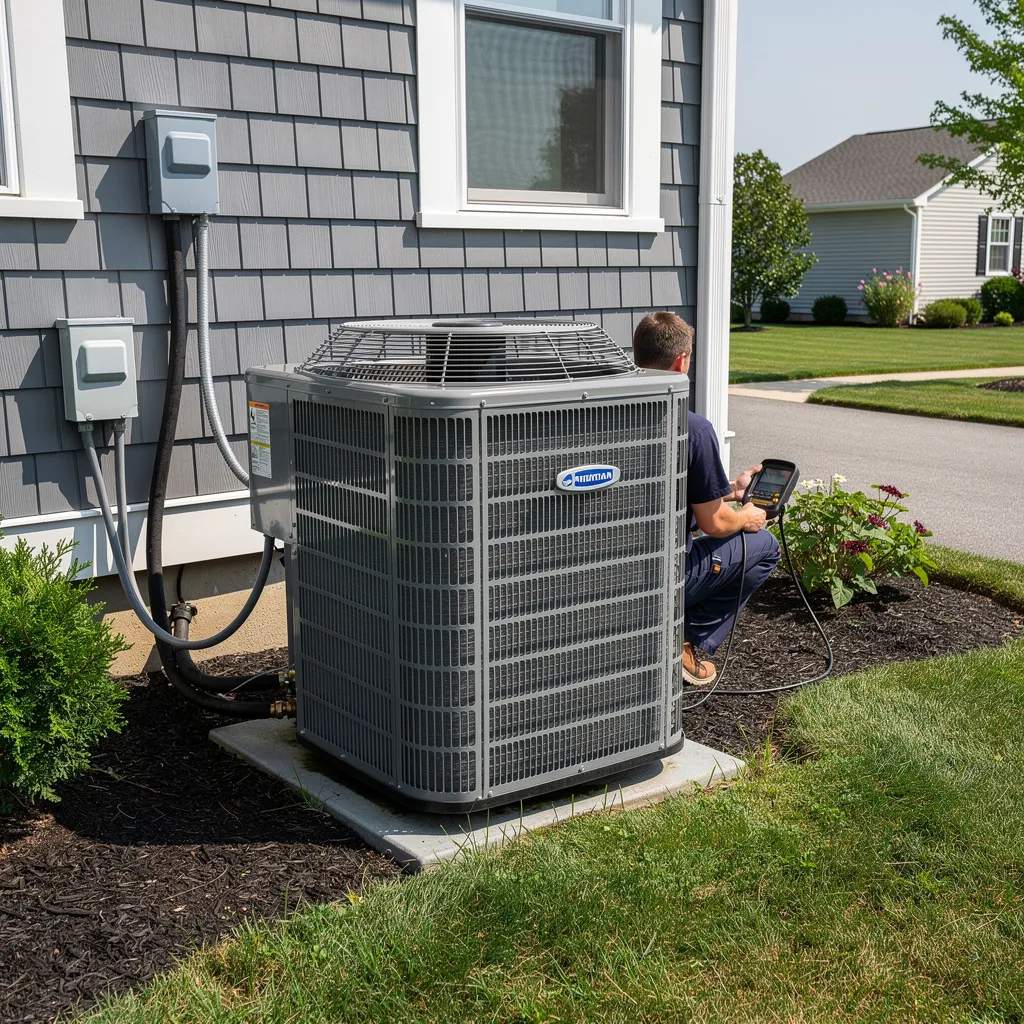
When it comes to What Are the Signs That My Air Conditioner Is Malfunctioning or Inefficient?, warning signs include weak or uneven airflow, warm spots between rooms, rising energy bills without added usage, strange humming or grinding sounds, frequent cycling on and off, and excess humidity indoors. A&L Heating, Cooling and Home Improvements diagnoses these issues through 24/7 emergency service across Cape Cod, restoring efficiency before minor problems turn into costly system failures.
Is your AC running but not cooling?
A Cape Cod air conditioner that runs continuously without producing cool air signals a clear malfunction. This problem typically stems from low refrigerant levels, dirty evaporator coils, or a failing compressor. Homeowners who notice the system humming away while rooms stay warm face an issue that worsens with time, not one that resolves on its own.
What causes weak airflow from the vents?
Weak airflow from vents provides another unmistakable sign that the air conditioner struggles to perform. When the blower motor works but little air reaches rooms, the system operates inefficiently and wastes energy. Dirty air filters, blocked ductwork, or a failing blower motor often create this restriction. Cape Cod property owners should check filters first, but persistent weak airflow requires professional diagnosis.
Why does low refrigerant affect cooling performance?
Low refrigerant prevents the AC from absorbing heat from indoor air properly. Refrigerant leaks reduce cooling capacity gradually, so homeowners may not notice the decline until the system runs constantly without relief. A licensed technician must locate and seal the leak before recharging the system to the correct level.
A&L Heating, Cooling and Home Improvements provides fast, reliable AC repair services for Cape Cod homes and businesses. Their technicians perform expert diagnosis and repair of all AC brands with same-day service and upfront pricing. Common repairs for a running-but-not-cooling system include:
- Refrigerant leak detection and repair
- Evaporator coil cleaning or replacement
- Compressor diagnosis and service
- Blower motor inspection and repair
Ignoring these warning signs leads to higher energy bills and potential system failure during peak summer heat. Professional evaluation catches small problems before they become expensive emergency repairs.
Are your energy bills rising without reason?
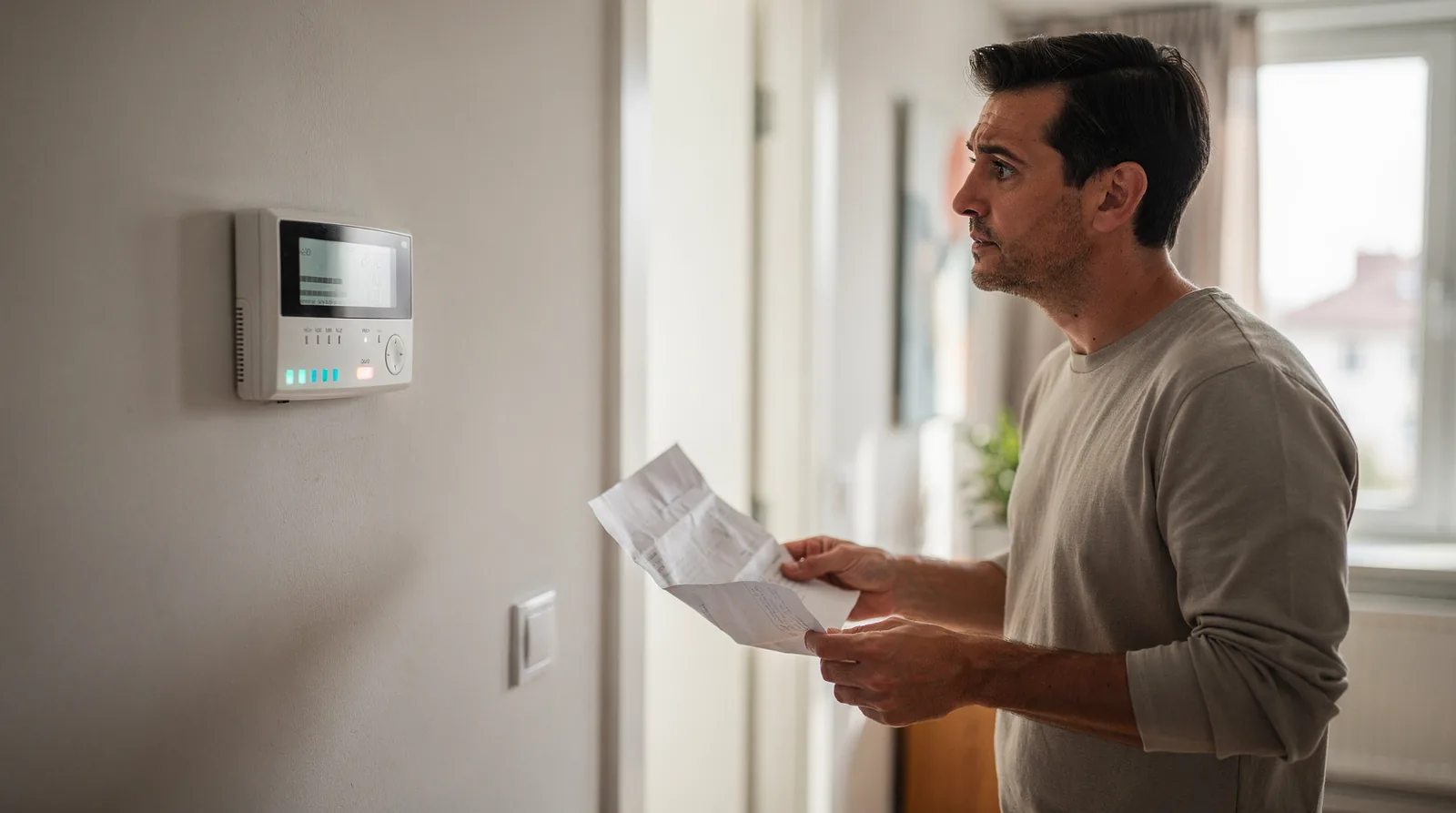
Rising energy bills without a change in usage signal that an air conditioner is working harder than it should and losing efficiency. An inefficient AC quietly drains money without ever fully cooling a home, making bill spikes a critical red flag for Cape Cod homeowners. When monthly cooling costs climb while thermostat settings remain the same, the system struggles to keep pace with demand.
What causes an AC to lose efficiency and increase energy costs?
Several factors force an air conditioner to consume more electricity than necessary:
- Dirty condenser coils reduce heat transfer, forcing the compressor to run longer cycles
- Low refrigerant levels make the system work harder to achieve the same cooling output
- Clogged air filters restrict airflow, increasing runtime by 15-a notable share in some cases
- Aging equipment loses efficiency as components wear, especially systems over 10-12 years old
A&L Heating, Cooling and Home Improvements installs high-efficiency systems that qualify for Mass Save rebates, helping lower energy bills for Cape Cod clients. These modern units achieve SEER ratings of 16 or higher, compared to older models that often operate below 10 SEER. The difference translates directly into monthly savings.
How much can an inefficient AC cost a homeowner?
An air conditioner running at reduced efficiency adds significant expense over a single cooling season. An inefficient AC can lead to increased costs over a cooling season. For a home with typical summer electric bills, costs can increase significantly during peak season. Professional diagnosis catches these losses early, preventing months of unnecessary spending.
Is your AC making strange noises or smells?
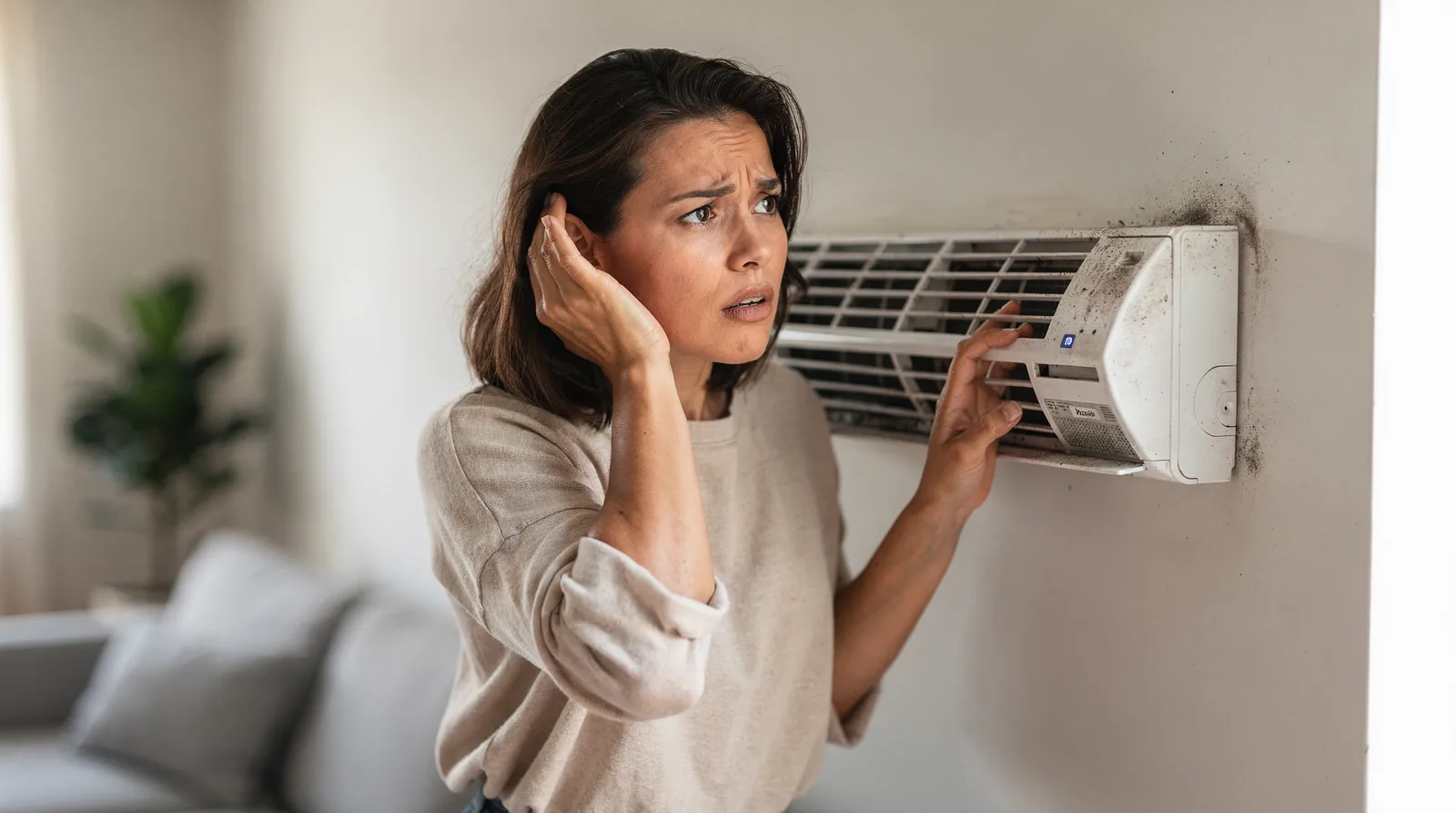
Unusual sounds or odors from an air conditioning system signal problems that demand immediate attention. Grinding, squealing, or banging noises often point to mechanical failures inside the unit. Musty smells suggest mold growth in the ductwork or evaporator coil. Burning odors indicate electrical issues that pose a fire risk. Ignoring these warning signs allows minor issues to escalate into costly breakdowns.
What causes grinding or squealing sounds from an AC unit?
A grinding noise typically means the motor bearings have worn out or the compressor is failing. Squealing sounds often come from a loose or damaged fan belt. These mechanical problems force the system to work harder, increasing energy consumption by a measurable amount. A&L Heating, Cooling and Home Improvements provides professional inspection services to diagnose these sounds accurately. Their technicians identify the root cause before the issue leads to a complete system failure.
Why does the air from the vents smell musty or like something is burning?
Musty odors indicate moisture buildup inside the system, which creates an environment for mold and mildew growth. Burning smells usually stem from overheating electrical components or debris caught on the heating elements. Both situations require professional intervention to prevent health hazards and equipment damage. A&L offers 24/7 emergency service to address urgent AC problems like strange noises or odors before they lead to a full breakdown. Cape Cod homeowners should schedule an inspection immediately upon noticing these smells.
Steps to take when noticing AC noises or odors:
- Turn off the system at the thermostat to prevent further damage.
- Check air filters for visible dirt or debris that could restrict airflow.
- Inspect outdoor unit for obstructions like leaves, branches, or animal nests.
- Contact a licensed HVAC professional for a thorough diagnosis and repair.
Is your system short-cycling or running constantly?
Two distinct AC behaviors signal serious inefficiency: short-cycling and constant running. Short-cycling occurs when the air conditioner turns on and off frequently without completing a full cooling cycle. This wastes energy and puts extra strain on the compressor. An oversized unit or a dirty filter often causes the problem. A system that runs constantly without reaching the set temperature points to a different issue. Low refrigerant or a failing thermostat typically drives this behavior. Both patterns drive up energy bills and accelerate wear on critical components.
What causes short-cycling in an air conditioner?
Short-cycling forces the compressor to restart repeatedly, which consumes more electricity during each startup surge. An oversized AC cools the space too quickly, triggering the thermostat before humidity removal finishes. A clogged air filter restricts airflow, causing the evaporator coil to ice over and triggering the safety shutoff. A&L’s expert technicians diagnose short-cycling by checking refrigerant levels, airflow, and thermostat calibration. They are trained on the latest HVAC technologies and all major brands, ensuring accurate identification of the root cause.
Why does an AC run constantly without cooling?
A constantly running system that never satisfies the thermostat wastes significant energy. The compressor operates under continuous stress, shortening its lifespan. Common causes include:
- Low refrigerant from a leak, which reduces the system’s ability to absorb heat
- A failing thermostat that misreads room temperature
- Dirty condenser coils that prevent heat release outdoors
- Oversized or undersized ductwork that restricts airflow
A&L’s technicians perform a full system evaluation to pinpoint whether the issue stems from refrigerant loss, electrical faults, or mechanical failure. Addressing these problems early prevents a complete breakdown during peak summer heat.
What should you do if you spot these signs?
Cape Cod homeowners who notice warning signs like warm airflow, rising energy bills, or unusual sounds should act immediately rather than waiting for a complete breakdown. Ignoring early warning signs can lead to system breakdowns, expensive repairs, and uncomfortable days in the heat. A quick response prevents a minor issue from turning into a major emergency during peak summer months.
Should a homeowner attempt DIY repairs first?
No. Air conditioning systems involve complex electrical components, refrigerant lines, and high-voltage connections that require professional training. DIY attempts often void manufacturer warranties and create safety hazards. The safest and most cost-effective approach involves calling a licensed technician for a thorough diagnosis.
What steps should a Cape Cod homeowner take?
- Turn off the system at the thermostat and the breaker to prevent further damage to components like the compressor or blower motor.
- Check the basics — inspect the air filter for clogs, confirm the thermostat has fresh batteries, and ensure outdoor units are free from debris like leaves or branches.
- Schedule a professional inspection with a licensed and insured provider. A&L Heating, Cooling and Home Improvements provides licensed and insured service with comprehensive warranties and a customer-first approach.
- Request a free estimate before any work begins. A&L offers free estimates and 24/7 emergency service for Cape Cod homeowners, ensuring peace of mind and reliability.
Professional technicians diagnose the root cause — whether a refrigerant leak, failing capacitor, or dirty evaporator coil — and perform repairs correctly the first time. This approach saves money over repeated band-aid fixes and extends the equipment’s lifespan.
FAQ
What are the most common signs of a malfunctioning air conditioner?
Weak or uneven airflow, warm spots between rooms, rising energy bills without added usage, strange humming or grinding sounds, frequent cycling on and off, and excess indoor humidity all indicate a malfunctioning or inefficient system.
Why does my AC run constantly but fail to cool the house?
This points to low refrigerant levels, dirty evaporator coils, or a failing compressor. The system works continuously while rooms stay warm, and the problem worsens over time rather than resolving on its own.
Why are my energy bills increasing even though I haven’t changed my usage?
Dirty condenser coils, low refrigerant, clogged air filters, and aging equipment over 10-12 years old force the AC to work harder, driving up electricity costs while cooling performance declines.
Conclusion
Recognizing the warning signs of a malfunctioning or inefficient air conditioner — weak airflow, rising energy bills, strange noises or odors, short-cycling, or a system that runs constantly without cooling — gives Cape Cod homeowners the chance to act before a minor issue becomes a costly breakdown. Waiting rarely pays off: these problems tend to worsen with time and drive up energy costs along the way. A prompt call to a licensed HVAC professional, rather than a DIY fix, remains the safest and most reliable path to restoring comfort. A&L Heating, Cooling and Home Improvements stands ready with 24/7 emergency service, free estimates, and experienced technicians to diagnose and repair AC issues across Cape Cod, helping homeowners stay cool with confidence all season long.
Leave a Reply