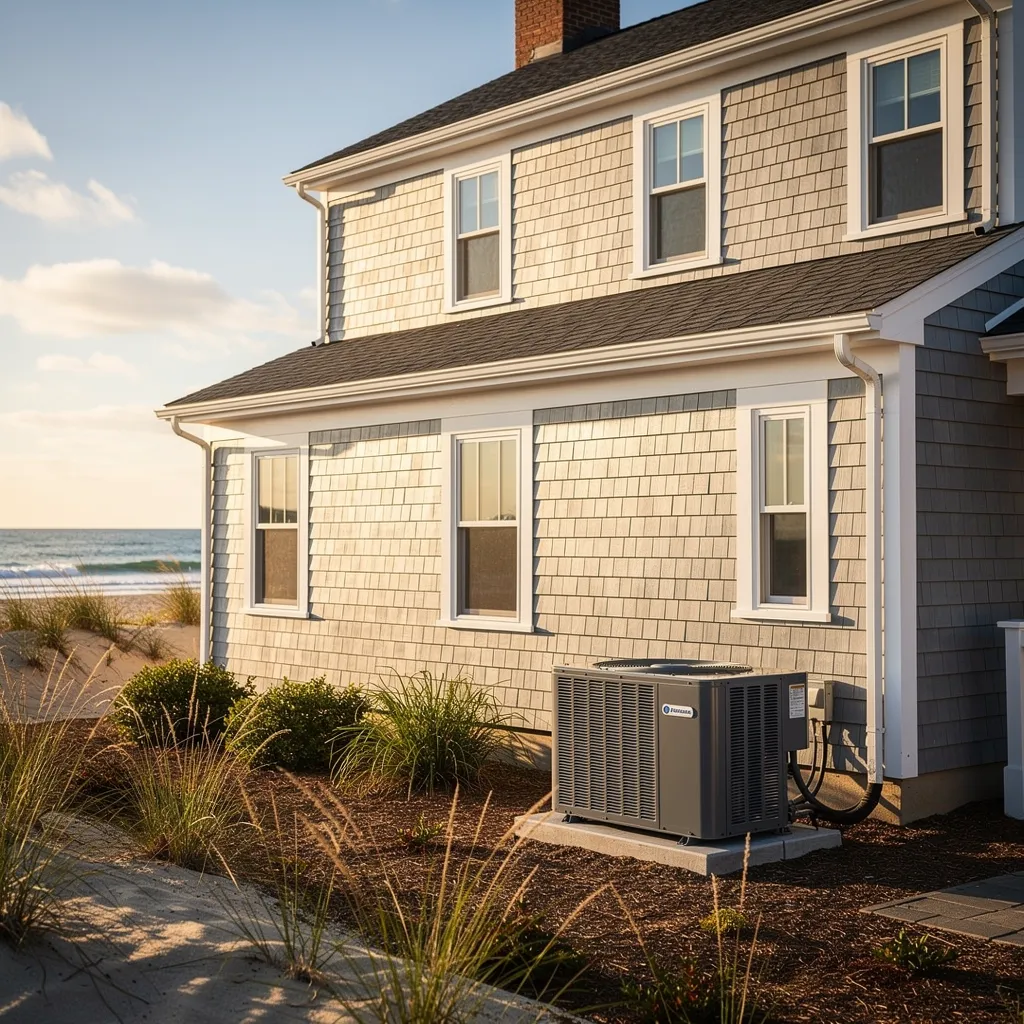
When it comes to How to Extend HVAC System Lifespan, extending HVAC lifespan on Cape Cod requires protecting airflow, keeping outdoor units clear of coastal debris, and using steady thermostat settings year-round. Salt-air exposure accelerates wear on coastal properties, making professional maintenance essential before peak summer and winter demand. A&L Heating, Cooling and Home Improvements provides licensed HVAC maintenance and 24/7 emergency service across Cape Cod, Massachusetts, helping systems run efficiently longer.
Why does Cape Cod climate strain your HVAC?
Cape Cod’s coastal climate creates a unique set of challenges that push heating and cooling equipment harder than inland systems face. Summer humidity on the Cape can sneak up like an unexpected high tide, forcing air conditioners to work overtime removing moisture while still cooling the air. This dual demand increases runtime and cycle frequency, accelerating wear on compressors and coils.
How does salt air affect HVAC equipment on Cape Cod?
Coastal moisture and salt-air exposure affect many Cape Cod properties, particularly those within a mile of the shoreline. Salt particles accumulate on outdoor condenser coils and evaporator fins, corroding metal surfaces and reducing heat-transfer efficiency. Over time, this corrosion causes refrigerant leaks, fan motor failures, and premature system breakdowns unless equipment receives regular cleaning and protective coatings.
Why do Cape Cod temperature swings matter?
Cape Cod winters retreat just long enough to surprise homeowners again, creating dramatic temperature swings that strain HVAC systems. A system may run a full heating cycle in the morning, then switch to cooling by afternoon as temperatures spike. These rapid transitions increase wear because the equipment starts. Stops more frequently, cycling through more total operating hours during shoulder seasons than systems in more stable climates.
High-usage months on the Cape — July through August for cooling, December through February for heating — compound this strain. Systems that run longer and start more often to maintain comfort experience accelerated component fatigue. Without proactive maintenance, a Cape Cod HVAC system may lose 15-a notable share of its expected lifespan compared to equipment in moderate inland climates.
What are the first steps to protect airflow?
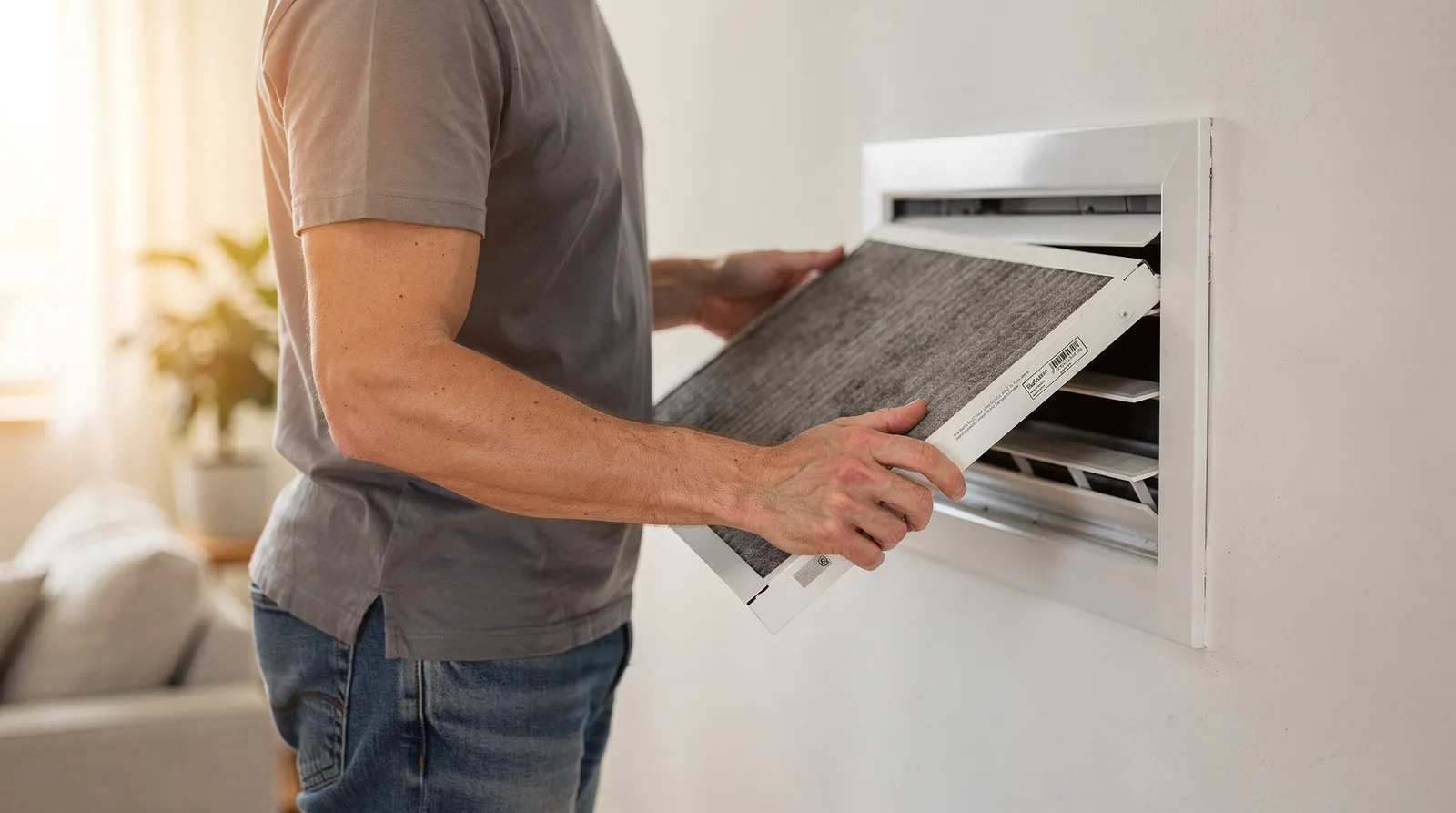
Protecting airflow starts with clearing debris and vegetation from around outdoor HVAC units. Cape Cod homes face unique challenges from coastal salt air, sand, and falling leaves that can block condenser coils and reduce system efficiency. Homeowners who neglect this step force their equipment to work harder, increasing energy consumption and accelerating wear on critical components.
How does clearing the outdoor unit improve performance?
Outdoor condenser units need at least two feet of clearance on all sides for proper airflow. Cape Cod property owners should trim back shrubs, remove grass clippings, and clear away leaves before each cooling season. A blocked unit reduces heat transfer, causing the compressor to run longer cycles and consume more electricity.
What indoor steps protect airflow year-round?
- Replace air filters every 30-90 days — dirty filters are the single most common cause of restricted airflow in Cape Cod homes
- Keep supply and return vents unobstructed — furniture, curtains, or rugs blocking vents create pressure imbalances that strain the blower motor
- Inspect ductwork for visible gaps or disconnections — leaks in attic or crawlspace ducts waste conditioned air and force the system to run longer
Even a tiny leak in plumbing fixtures can waste significant amounts of water, leading to higher utility bills. Homeowners should check all faucets, showerheads, and outdoor fixtures for drips, and look for water damage or mold around plumbing fixtures as signs of hidden leaks. Addressing these issues during seasonal preparation helps maintain overall home efficiency. Prevents moisture problems that can affect indoor air quality.
How do you schedule professional maintenance correctly?

Scheduling professional maintenance before peak heating and cooling demand helps extend HVAC system lifespan. Cape Cod homeowners should book spring maintenance for air conditioning and fall maintenance for heating equipment. This timing ensures systems operate efficiently before seasonal weather extremes arrive.
What does professional HVAC maintenance include?
A licensed technician performs a complete system inspection during a maintenance visit. A&L Heating, Cooling and Home Improvements provides professional heating and air conditioning services for homes and businesses throughout Cape Cod. Expert technicians are trained on the latest HVAC technologies and all major brands. The inspection typically covers refrigerant levels, electrical connections, airflow measurements, and component wear.
How often should Cape Cod homeowners schedule maintenance?
- Schedule spring maintenance for air conditioning systems before the first 90-degree day arrives on Cape Cod.
- Schedule fall maintenance for heating systems before the first cold snap hits the region.
- Book both visits annually — skipping even one season increases the risk of breakdowns during peak demand.
Maintenance cannot guarantee a specific equipment lifespan. Installation quality, system type, usage, repairs, home conditions, climate, and maintenance history all affect how long equipment remains serviceable. However, consistent professional care dramatically reduces the likelihood of premature failure.
What happens when maintenance is skipped?
Skipping professional maintenance forces HVAC systems to work harder against accumulated dirt, low refrigerant, and worn components. This extra strain accelerates wear on compressors, motors, and heat exchangers. Cape Cod’s coastal humidity and salt air add further stress to unprotected equipment. A single missed maintenance season can shorten system lifespan by months or even years.
Which thermostat habits extend system lifespan?
Using steady thermostat settings helps extend HVAC system life. Cape Cod homeowners who avoid frequent temperature swings reduce the strain on their heating and cooling equipment. Constant adjustments force the system to cycle on and off repeatedly, accelerating wear on compressors, blowers, and heat exchangers.
Why do frequent temperature changes harm HVAC equipment?
High-usage months increase HVAC wear because the system runs longer and starts more often to maintain comfort. On Cape Cod, where summer humidity spikes and winter temperatures drop sharply, a thermostat set to fluctuate by 5-10 degrees throughout the day forces the system into overdrive. Each startup cycle draws a surge of electrical current and places mechanical stress on components. Over a single season, hundreds of unnecessary cycles can shorten equipment lifespan by years.
What thermostat settings work best for Cape Cod homes?
A programmable or smart thermostat allows homeowners to set consistent temperatures for occupied hours and modest setbacks during unoccupied periods. The recommended approach:
- Set the thermostat to 68°F in winter and 78°F in summer during occupied hours.
- Adjust by only 3-5 degrees during unoccupied periods — never more than 8 degrees.
- Program the system to recover to the target temperature 30-60 minutes before occupants return.
Proper maintenance is the secret sauce to squeezing every bit of efficiency out of the system, extending its lifespan, and keeping energy bills in check. Pairing steady thermostat habits with scheduled professional service — before peak heating and cooling demand — gives Cape Cod homeowners the best return on their HVAC investment.
What common mistakes shorten HVAC life on Cape Cod?
Several routine oversights accelerate wear on Cape Cod heating and cooling systems, turning a well-functioning unit into a costly repair project. The most damaging mistake is neglecting seasonal maintenance until the system fails under peak demand. Some AC units are left forgotten until they wheeze under the pressure of the first 90-degree day, forcing the compressor and fan motor to work far beyond their designed capacity. This single oversight can reduce equipment lifespan by years.
How does neglecting outdoor plumbing affect HVAC performance?
Outdoor plumbing issues create indirect but real strain on HVAC systems. Homeowners should check hoses and irrigation systems for cracks or leaks. Water pooling near the outdoor condenser unit promotes rust and electrical damage. Ensuring proper water pressure and flow for outdoor systems prevents strain on shared well pumps. Reduces humidity loads that the AC must manage.
What other common mistakes accelerate system wear?
- Skipping filter changes — A clogged air filter forces the blower motor to work harder, increasing energy consumption by 5-a notable share and risking frozen evaporator coils.
- Blocking outdoor condenser airflow — Overgrown shrubs, debris, or furniture placed within two feet of the unit restrict heat exchange, causing the compressor to overheat and fail prematurely.
- Ignoring refrigerant leaks — Low refrigerant forces the system to run longer cycles, wearing out the compressor and raising electric bills.
- Setting extreme thermostat swings — Dropping the temperature by more than 5°F at once forces the system into maximum output, stressing components unnecessarily.
A&L Heating, Cooling and Home Improvements offers 24/7 emergency service to ensure reliability and comfort when these mistakes catch up with a system. Catching these issues early prevents the emergency call altogether.
FAQ
How much lifespan does an unmaintained Cape Cod HVAC system lose?
Without proactive maintenance, a Cape Cod HVAC system loses 15-a notable share of its expected lifespan compared to equipment in moderate inland climates. Coastal humidity, salt air, and temperature swings drive this accelerated wear.
How often should homeowners replace air filters?
Homeowners replace air filters every 30-90 days. Dirty filters are the single most common cause of restricted airflow in Cape Cod homes. Clean filters protect the blower motor and overall system efficiency.
How much clearance does an outdoor condenser unit need?
Homeowners trim shrubs, remove grass clippings, and clear leaves before each cooling season to maintain this space.
Conclusion
In closing, extending your HVAC lifespan comes down to consistent maintenance, timely repairs, and investing in quality equipment when replacement becomes necessary. By partnering with A&L Heating, Cooling and Home Improvements, Cape Cod homeowners gain access to expert technicians who understand local climate challenges and deliver the professional care your system deserves. Prioritize these practices today, and your heating and cooling system will deliver reliable comfort for years to come.

Leave a Reply