Cape Cod homeowners cut heating costs by sealing drafts, upgrading insulation, and scheduling annual furnace or heat pump tune-ups. ENERGY STAR notes buildings waste nearly 30% of energy used. A&L Heating, Cooling and Home Improvements installs high-efficiency systems and helps clients access Mass Save rebates, lowering bills while extending equipment lifespan through winter.
Why Are Cape Cod Heating Bills So High?
Cape Cod heating bills climb for two clear reasons: rising energy prices and the region’s cold winter weather. High demand, lagging production, and global conflict push energy prices upward each season. These forces hit coastal homeowners directly through higher monthly costs.
What Makes Up a Cape Cod Energy Bill?
Residential energy bills on Cape Cod contain two main components. The supply charge covers the cost of the electricity purchased from the Cape Light Compact, Eversource, or a competitive supplier. The delivery charge pays for transporting that energy to the home. Eversource serves as the distribution company for Cape Cod and Martha’s Vineyard.
Cold winter weather and rising costs have led many customers to see an increase in their electric bill this winter. The Cape Light Compact notes that understanding these bill components helps customers reduce their energy use.
How Can Homeowners Fight Back?
Simple steps, like improving a building’s energy efficiency, help minimize the impact of high prices on winter bills. Homeowners can take several practical actions:
Schedule a professional heating system tune-up before peak season
Seal drafts around windows and doors to prevent coastal heat loss
Upgrade insulation in attics and walls
Install a programmable thermostat to lower heat when away
Why Does Efficiency Matter So Much?
An efficient home uses less energy to stay warm, which directly lowers the supply charge portion of the bill. Every degree of heat retained inside means less work for the furnace or heat pump. For Cape Cod homeowners facing climbing prices, efficiency improvements offer the most reliable path to Reduce Heating Costs in Cape Cod without sacrificing comfort.
How Can You Reduce Heating Costs in Cape Cod?
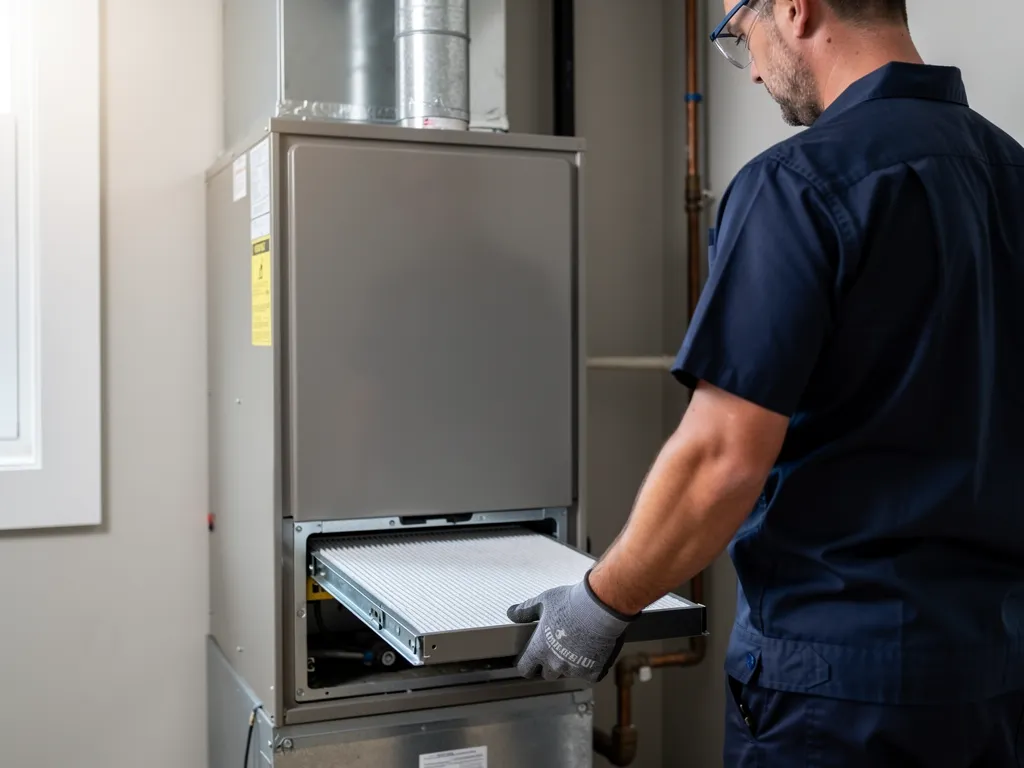
Cape Cod homeowners can Reduce Heating Costs in Cape Cod by scheduling a professional energy assessment. An energy assessment identifies exactly where a home loses heat and which upgrades deliver the biggest savings. According to ENERGY STAR, the average commercial building wastes around 30% of the energy it uses, and homes face similar inefficiencies. Assessments are available at no cost to owners and renters. They qualify participants for low- to no-cost incentives for weatherization and other improvements.
Energy-Efficient Heat Pump Installation in Cape Cod opportunities for Cape Cod residents to improve home energy efficiency and reduce costs. The program covers a range of services that directly lower heating bills:
Energy audits and assessments
Installation of efficient HVAC systems
Insulation upgrades
Air sealing services
Programmable thermostat installations
Ductwork improvements
These measures stop heat loss at the source and reduce the workload on furnaces, boilers, and heat pumps.
What does a home energy assessment include?
A certified technician inspects the attic, walls, basement, and ductwork for air leaks and insulation gaps. The assessment also tests heating equipment efficiency and provides a prioritized list of upgrades. After the assessment, homeowners receive clear guidance on which improvements qualify for Mass Save incentives.
How can Mass Save incentives lower heating bills?
Mass Save provides rebates and no-cost upgrades that cover a large portion of weatherization and HVAC replacement costs. By sealing air leaks and adding insulation, a home retains more heat, so the heating system runs less often. These improvements typically pay for themselves through lower monthly energy bills within a few heating seasons.
What Quick Wins Cut Winter Heating Waste?
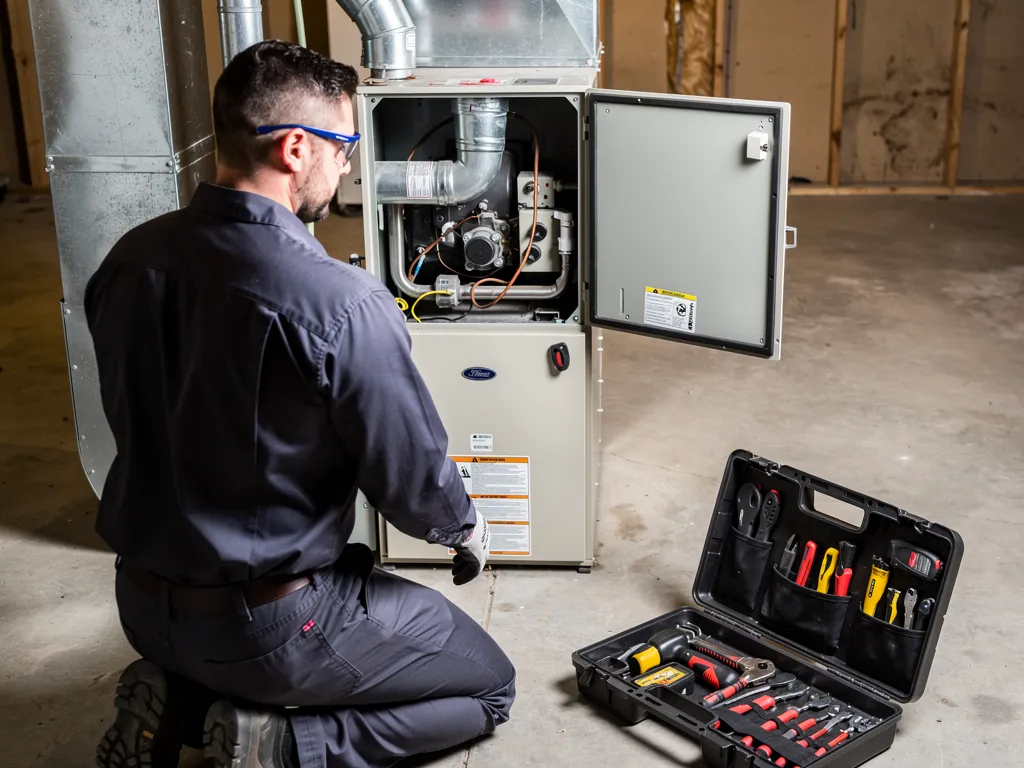
Cape Cod homeowners can stop winter heat loss with two immediate, low-cost actions: checking insulation and changing furnace filters. These steps reduce energy waste without requiring new equipment.
How Does Insulation Stop Heat Loss?
Properly installed and inspected insulation in floors, walls, and attics ensures even temperatures throughout the home. This reduces energy use and increases comfort. ENERGY STAR® reports that the average commercial building wastes around 30% of the energy it uses. Residential homes face similar losses. Sealing gaps and adding insulation in the attic stops warm air from escaping through the roof.
Why Does the Furnace Filter Matter?
A dirty filter forces the heating system to work harder. Check the furnace air filter every month during winter. If the filter looks dirty, change it. At a minimum, replace the filter every three months. A clean filter improves airflow, reduces strain on the system, and lowers energy consumption.
Quick winter savings checklist:
Inspect attic and wall insulation for gaps or settling
Seal drafts around windows and doors with weatherstripping
Replace furnace filters monthly during peak heating season
Schedule a professional HVAC inspection before the coldest months
Immediate Help: Emergency Heating Repair in Cape Cod professional heating services for homes throughout Cape Cod. Expert technicians can assess the home’s current efficiency and recommend targeted improvements. These quick wins help Reduce Heating Costs in Cape Cod without a major investment.
Should You Upgrade to a High-Efficiency System?
Upgrading to a high-efficiency heating system directly lowers winter energy bills for Cape Cod homeowners. A&L Heating, Cooling and Home Improvements specializes in installing high-efficiency furnaces, boilers, heat pumps, air conditioning systems, and ductless mini-splits throughout the region. These modern systems use less fuel to produce the same heat, which matters most during Cape Cod’s cold coastal winters.
How Do Mass Save Rebates Reduce the Upgrade Cost?
Mass Save offers valuable incentives that make high-efficiency upgrades more affordable for Cape Cod property owners. A&L helps homeowners navigate these programs to maximize available rebates. Participating in Mass Save initiatives provides significant financial benefits while improving home energy performance. The combination of rebates and lower monthly bills means the system often pays for itself faster than standard equipment.
What Makes a High-Efficiency System Different?
High-efficiency systems convert more fuel into usable heat, wasting less energy in the process. This difference directly translates to lower fuel consumption and reduced Reduce Heating Costs in Cape Cod over each heating season. A&L commits to eco-friendly solutions that extend HVAC equipment lifespan while keeping homes comfortable.
Lower monthly energy bills through reduced fuel consumption
Extended equipment lifespan from advanced engineering and better materials
Eco-friendly operation that reduces the home’s carbon footprint
Mass Save rebate eligibility that offsets the initial investment
A&L provides 24/7 expert HVAC repair, installation, and maintenance with honest pricing on all services. Cape Cod homeowners gain peace of mind knowing their high-efficiency system is installed by licensed professionals who stand behind their work.
How Do You Keep Savings Going All Season?
Lower heating bills in January do not guarantee the same in March. Maintaining savings across a Cape Cod winter requires a proactive approach to system care and home efficiency. Without regular attention, energy waste creeps back, and each cold spell costs more than the last.
What Habits Protect Heating Efficiency All Winter?
The Reduce Heating Costs in Cape Cod plan depends on consistent small actions. Clients who schedule professional tune-ups in early winter avoid the efficiency drop that drives bills up by spring. Trained technicians catch small problems before they force a system to work harder. Checking and replacing air filters every 30 to 60 days is another critical habit. A clogged filter makes a furnace or heat pump run longer to reach the same temperature, wasting energy every cycle.
Sealing drafts around windows and doors stops heated air from escaping. Cape Cod homes face salt air and wind that accelerate wear on weatherstripping. A quick inspection each month preserves the savings from the initial upgrade.
Who Ensures the System Stays Reliable?
Fast and Reliable Heat Pump Repair Service in Cape Cod its brand around integrity and a commitment to customer comfort and satisfaction. Cape Cod homeowners trust these technicians for licensed and insured service with comprehensive warranties. Every job receives the same customer-first approach that ensures reliable and efficient service tailored to each client’s needs. The Reduce Heating Costs in Cape Cod savings plan is not a one-time fix. It is a partnership that keeps a home comfortable and efficient all season long.
FAQ
What causes high heating bills on Cape Cod?
Rising energy prices and cold coastal winter weather drive up Cape Cod heating bills. High demand, lagging production, and global conflict push energy prices upward each season, hitting homeowners directly through higher monthly costs.
What steps lower heating costs at home?
Homeowners seal drafts around windows and doors, upgrade insulation in attics and walls, schedule a professional heating system tune-up before peak season, and install a programmable thermostat to lower heat when away.
How often should furnace filters be replaced in winter?
Check the furnace air filter every month during the winter heating season. If it looks dirty, change it, and replace it at least once every three months regardless. A clean filter improves airflow and lowers energy use.
What does a home energy assessment include?
A certified technician inspects the attic, walls, basement, and ductwork for air leaks and insulation gaps, tests heating equipment efficiency, and provides a prioritized list of upgrades along with guidance on which ones qualify for Mass Save incentives.
How do Mass Save rebates help reduce heating costs?
Mass Save offers rebates and no-cost upgrades that cover a large portion of weatherization and HVAC replacement costs. By sealing air leaks and adding insulation, a home retains more heat and runs its heating system less, often paying for the upgrade within a few heating seasons.
Is it worth upgrading to a high-efficiency heating system?
Yes. High-efficiency furnaces, boilers, and heat pumps convert more fuel into usable heat, which lowers monthly energy bills, extends equipment lifespan, and often qualifies for Mass Save rebates that offset the upfront cost.
Conclusion
In closing, reducing your heating costs this winter starts with the practical steps you can take today, from sealing air leaks to adjusting your thermostat, and extends to investing in high-efficiency systems that deliver long-term savings. When you’re ready to upgrade your heating equipment or need professional maintenance to keep your current system running at peak performance, A&L Heating, Cooling and Home Improvements stands ready to help Cape Cod homeowners achieve both comfort and energy savings with expert service and honest pricing.
Leave a Reply