7 Types of Duct Problems
🔧 1. High Humidity + Cold Surfaces (Condensation)
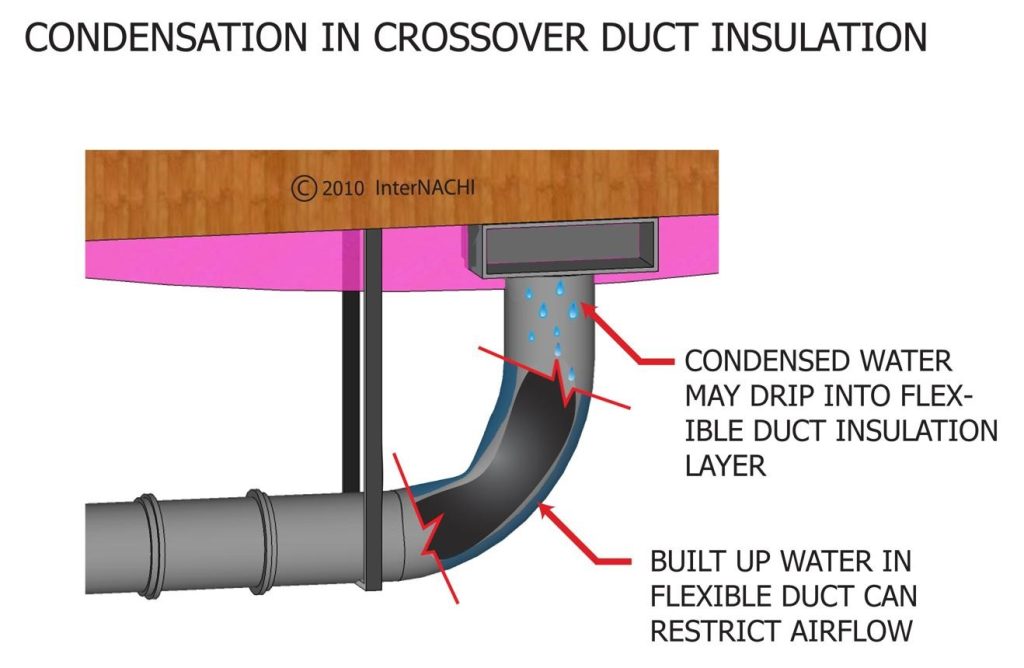
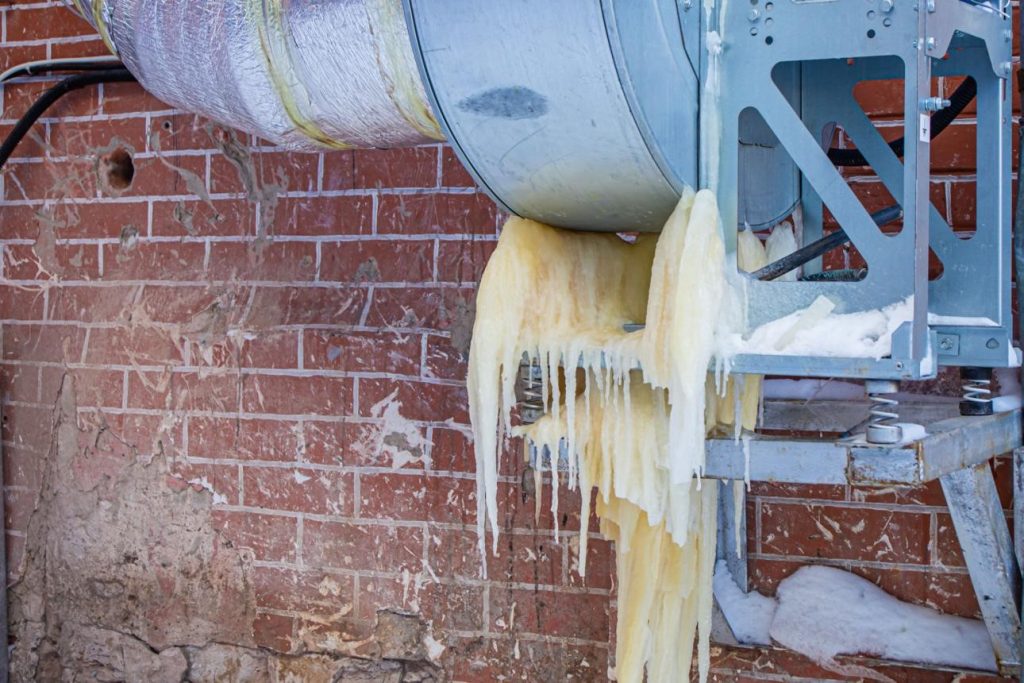
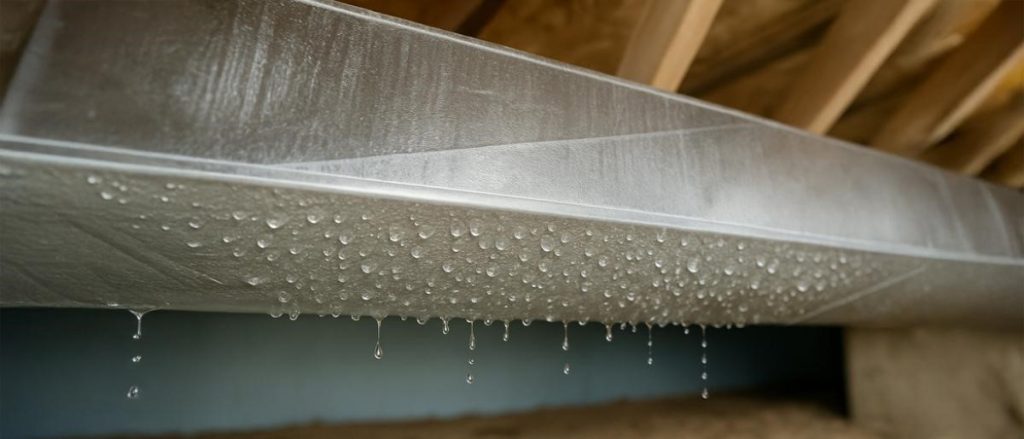
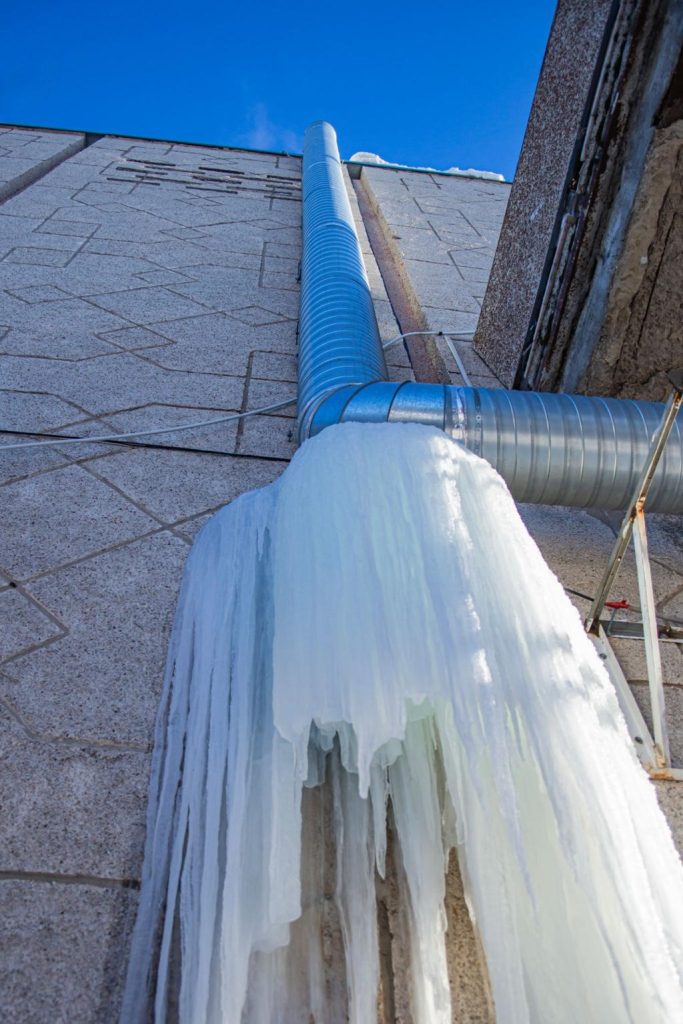
When warm, humid air hits cold surfaces (like supply ducts during cooling), moisture forms.
Why it matters:
- That liner acts like a sponge → it absorbs moisture
- Once it stays damp, mold has the perfect environment to grow
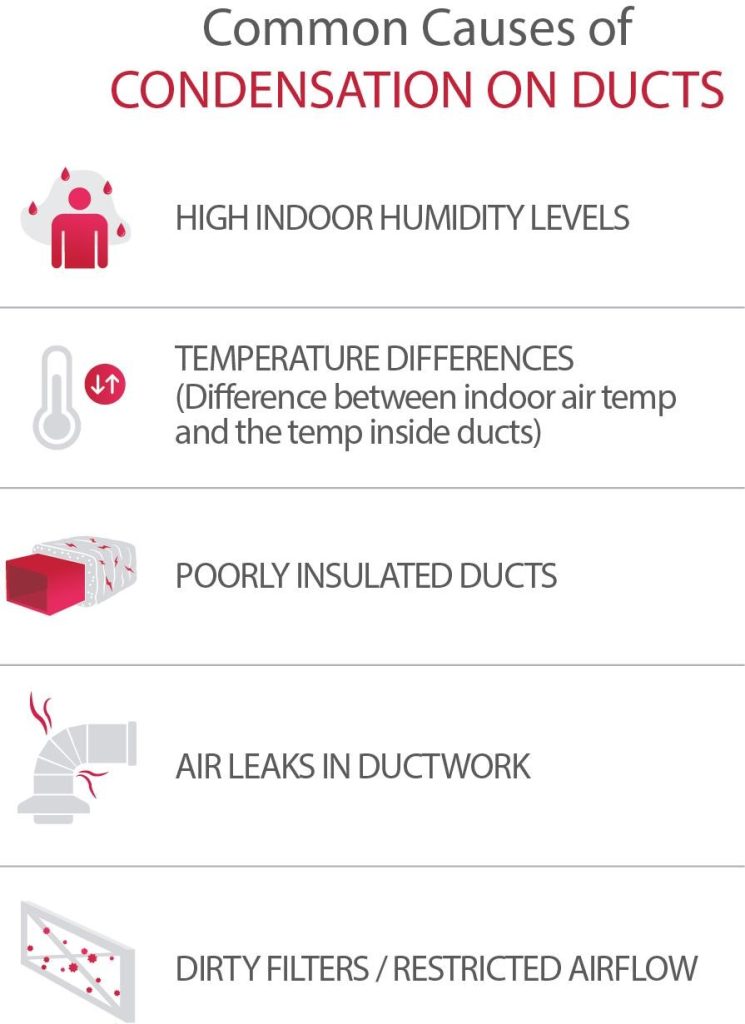
Common causes:
- High indoor humidity (poor dehumidification)
- Oversized A/C system short-cycling (not removing moisture long enough)
- Low airflow across the coil (coil gets too cold → more condensation)
💨 2. Poor Airflow / Dirty System
Mold needs food, and in HVAC systems, that’s dust, dander, and debris.
What leads to this:
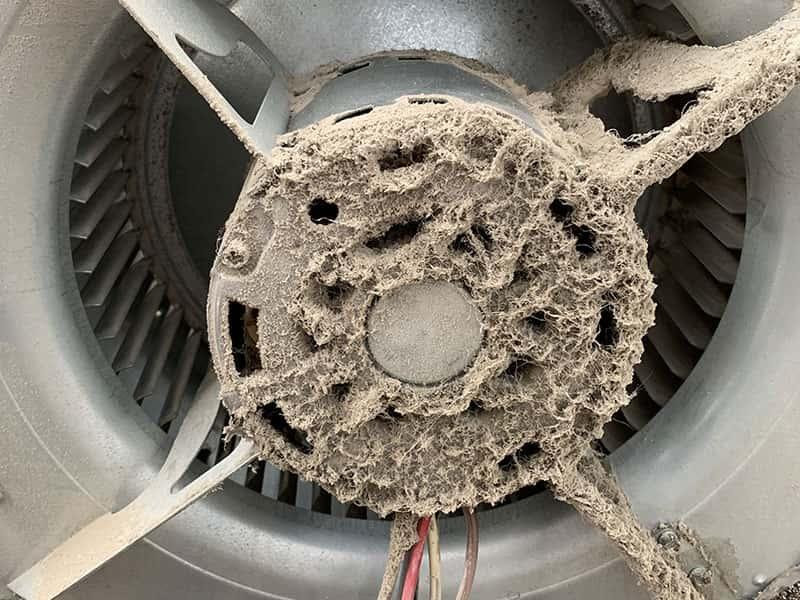
- Dirty or missing filters
- Clogged blower wheel or coil
- Undersized return ducts choking airflow
Result:
- Dust sticks to damp liner → mold feeds and spreads
💧 3. Condensate Drain Issues at the Coil
That A/C coil above the furnace is constantly removing moisture.
Problems happen when:
- Drain line is clogged
- Drain pan is cracked or rusted
- Unit isn’t pitched correctly
What you’ll see:
- Water backing up into the supply plenum
- Liner getting soaked → mold hotspot right above the furnace
🌬️ 4. Air Leaks Pulling in Humid Air
Leaky ductwork (especially on the return side) can suck in humid, unconditioned air.
Typical scenarios:
- Attic installs (huge issue in humid climates)
- Basement systems pulling damp air
- Poorly sealed return plenums
Outcome:
- Moisture constantly reintroduced → liner never fully dries
🌡️ 5. System Short Cycling / Oversized Equipment
No image needed—this is more performance-based.
If the A/C is oversized:
- It cools the house too fast
- Doesn’t run long enough to remove humidity
So even though it “feels cool,” the air is still humid, which feeds mold growth in ducts.
🧱 6. Duct Location (Unconditioned Spaces)
Where the ductwork lives matters a lot.
High-risk locations:
- Attics (hot + humid)
- Crawlspaces
- Damp basements
Why:
- Big temperature differences = condensation
- Poor insulation or damaged vapor barriers make it worse
⚠️ 7. Wet Liner That Never Dries
Once fiberglass liner gets wet:
- It holds moisture for a long time
- Airflow alone often won’t dry it out
At that point, replacement is usually the correct fix, not cleaning.
💡 Real-World Summary (What You’re Most Likely to See)
In your type of system (furnace + coil on top), the most common combo is:
Dirty system + poor airflow + high humidity + minor drain or duct leak issue
That’s the recipe.
🛠️ Prevention (What Actually Works)
- Keep filters changed regularly (huge)
- Clean blower wheel + coil during maintenance
- Verify proper airflow (static pressure matters)
- Flush condensate drains annually
- Seal return duct leaks
- Check humidity levels (ideally < 55%)
- Make sure system is properly sized

Leave a Reply