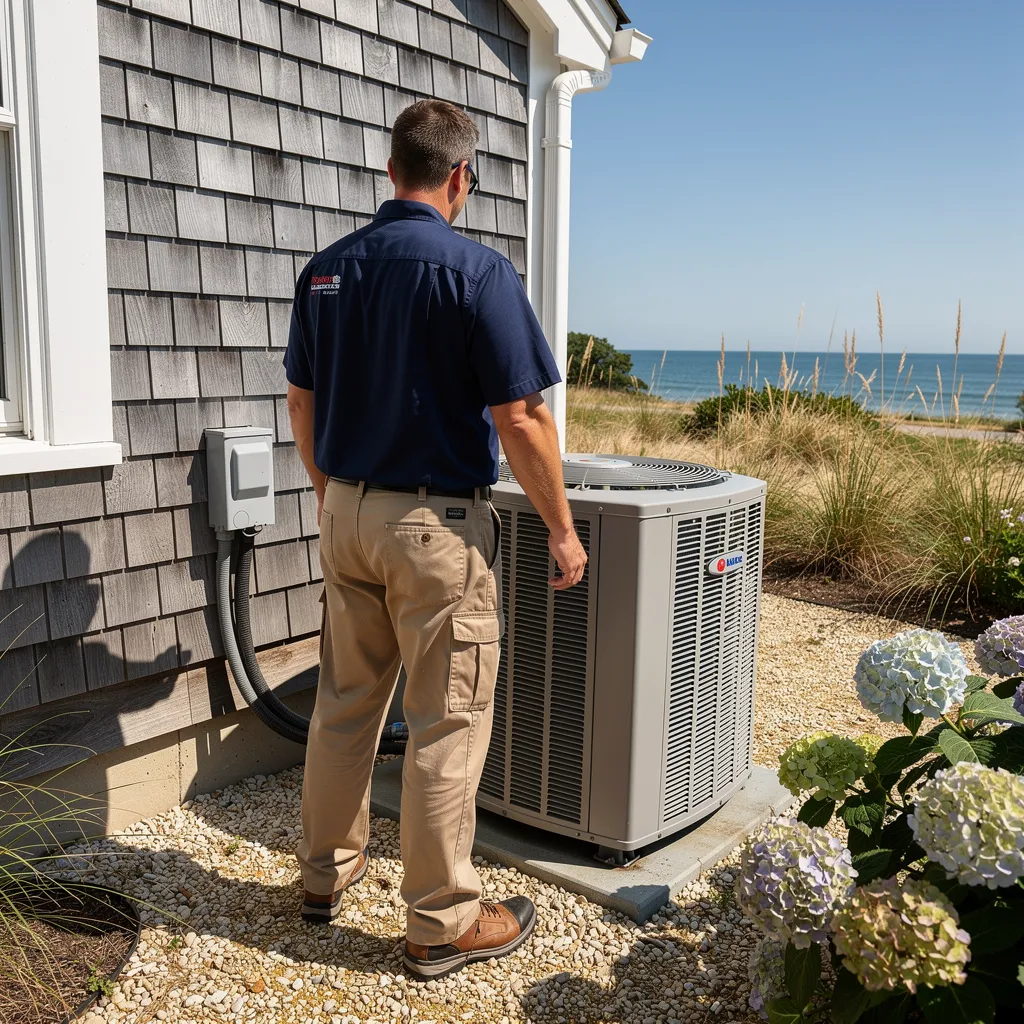
Warning signs include weak airflow, strange noises, frequent cycling, and rising energy bills. Cape Cod homeowners facing systems older than 10-15 years, frequent breakdowns, or costly repairs should consider replacement. A&L Heating, Cooling and Home Improvements offers free estimates and 24/7 emergency service across Cape Cod, helping homeowners decide between repair and replacement confidently.
How Can I Tell if My HVAC System Needs Repair or Replacement?
Cape Cod homeowners can identify HVAC issues by monitoring three key factors: system age, performance changes, and rising energy bills. Most air conditioners have an average life span of 10 to 15 years with regular usage. Constant operation through unusually hot summers can shorten that life span. A failing system often shows clear warning signs before a complete breakdown occurs.
What performance signs indicate a problem?
Uneven temperatures between rooms, strange noises during operation, or airflow that feels weak all signal that an HVAC system is not working as it should. Short cycling — when the system turns on and off frequently without completing a full cycle — points to an underlying mechanical issue. These subtle signs deserve prompt attention before they escalate into a costly emergency repair.
When do rising energy bills signal trouble?
Energy bills that climb steadily without any increase in usage suggest an inefficient system struggling to maintain comfort. A system that works harder to produce the same results wastes electricity and drives up monthly costs. Cape Cod homeowners facing this pattern should consider whether repair or replacement offers better long-term value.
**** The answer depends on repair frequency and system age. Repairs are easier on the pocketbook in the short run, but too many of them add up quickly. A general rule applies:
| Factor | Repair Recommended | Replacement Recommended |
|---|---|---|
| System age | Under 10 years | Over 15 years |
| Repair frequency | First or second repair | Third repair or more in 2 years |
| Energy bills | Stable or slightly higher | Significantly higher than previous years |
| Performance | Minor uneven temperatures | Frequent short cycling or no cooling |
A system that requires repeated repairs or shows multiple warning signs simultaneously likely costs more to keep than to replace. Cape Cod homeowners benefit from evaluating both options with a licensed professional who can assess the specific condition of the equipment.
What Are the First Signs of HVAC Trouble?
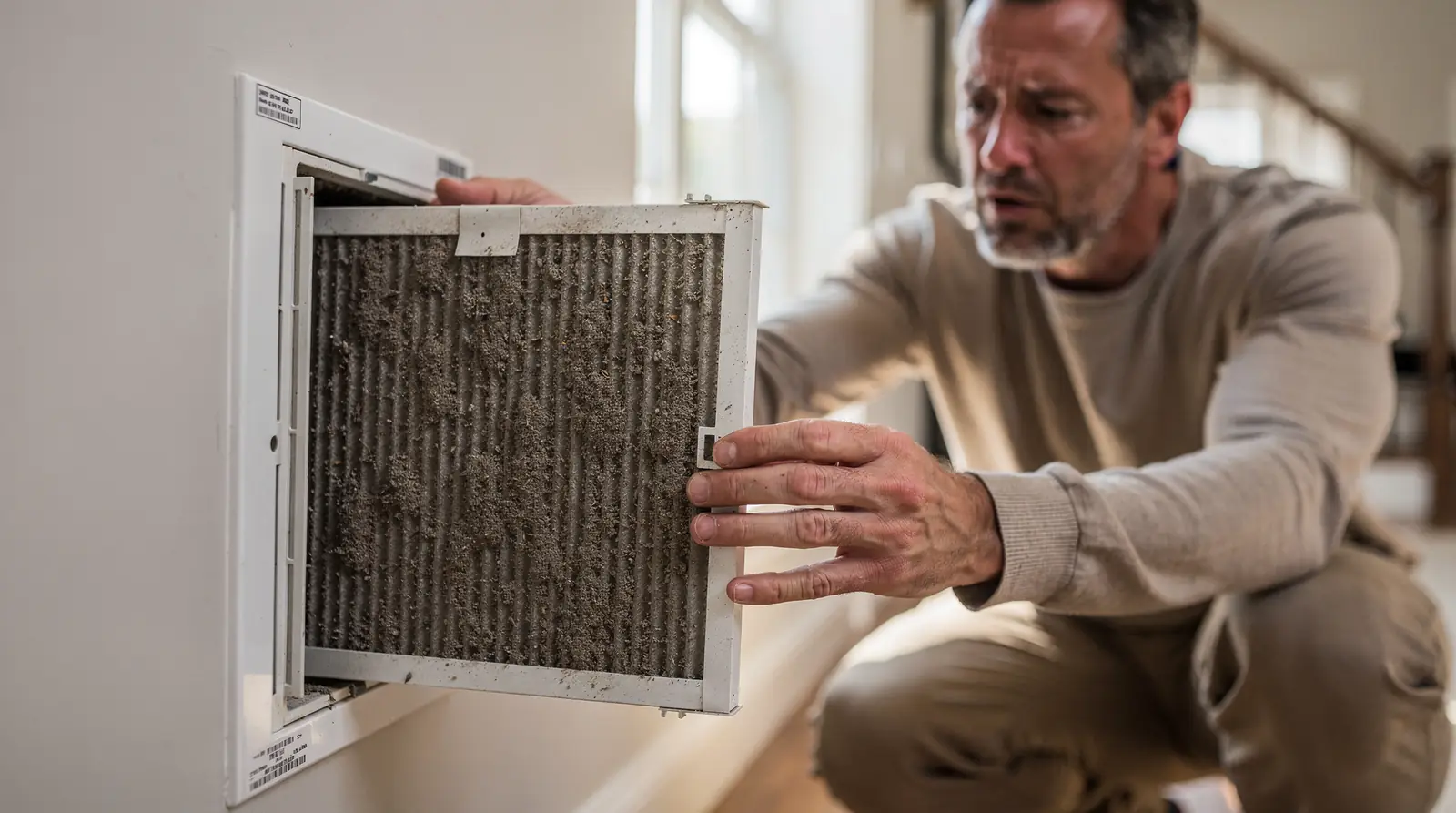
Unusual noises, weak airflow, strange odors, and uneven temperatures are the four earliest indicators that a Cape Cod HVAC system requires professional attention. Ignoring these warning signs allows minor issues to escalate into costly breakdowns, especially during peak summer or winter months when the system operates under full load.
What Do Unusual Noises Mean for an HVAC System?
Grinding, squealing, or banging sounds from the heating or cooling unit signal mechanical problems that demand immediate diagnosis. These noises often indicate worn bearings, loose components, or a failing motor. A system that once operated quietly but now produces disruptive sounds needs a professional inspection before the damage worsens.
Why Is Weak Airflow a Concern?
Weak airflow from supply vents points to duct obstructions, a failing compressor, or a clogged air filter. On Cape Cod, where summer heat turns a functioning air conditioner from a luxury into an essential, reduced airflow forces the system to run longer and work harder. This increases energy consumption and accelerates wear on critical parts.
What Do Strange Odors Indicate?
Burning smells from vents suggest electrical issues or overheating components. Musty odors point to mold growth inside the ductwork or evaporator coil. Both scenarios compromise indoor air quality and system safety. A Cape Cod homeowner noticing either odor should schedule a service call promptly.
How Do Inconsistent Temperatures Signal Trouble?
Rooms that feel noticeably warmer or cooler than others indicate the HVAC system struggles to distribute air evenly. This imbalance often stems from ductwork leaks, zoning problems, or an undersized unit. Left unaddressed, uneven temperatures create discomfort and drive up utility bills as the system cycles inefficiently.
Key early warning signs to monitor:
- Grinding or squealing noises from the unit
- Weak or reduced airflow from vents
- Burning or musty odors when the system runs
- Temperature differences of 3+ degrees between rooms
How Do I Check My HVAC System’s Age and Efficiency?
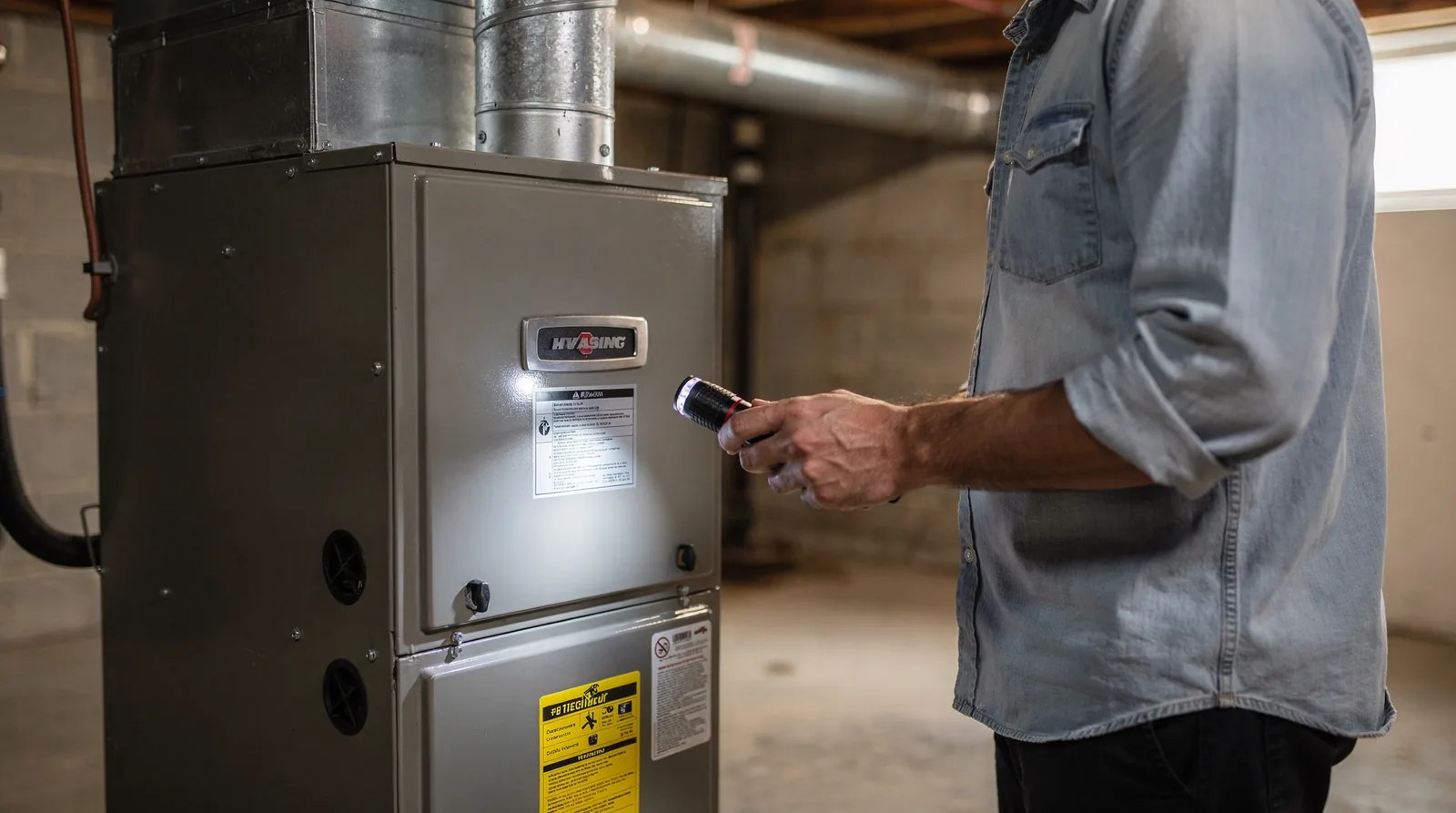
Checking an HVAC system’s age and efficiency starts with locating the manufacturer’s data plate on the outdoor condenser unit or indoor air handler. The data plate lists the unit’s model number, serial number, and manufacturing date. A technician can decode the serial number to determine the exact year of installation. This single piece of information reveals whether the system has entered the zone where replacement becomes more cost-effective than repair.
What Is the Typical Lifespan of a Cape Cod HVAC System?
Most air conditioners last 10 to 15 years with regular usage. Cape Cod homeowners who run their air conditioning constantly through unusually hot summers may shorten that lifespan. On the other hand, lighter usage or cooler weather may mean the unit lasts significantly longer. A system approaching or exceeding the 15-year mark signals that replacement deserves serious consideration.
How Does Efficiency Affect the Repair-or-Replace Decision?
Older systems lose efficiency as components wear, driving up monthly energy bills. Energy-efficient upgrades like [heat pumps](https://aandlheatingcooling.com/heat-pumps/) can lower those bills and qualify for Mass Save rebates. A simple comparison helps visualize the difference:
| System Age | Typical Efficiency | Recommended Action |
|---|---|---|
| Under 8 years | High | Repair if minor issue |
| 8 to 12 years | Moderate | Evaluate repair cost vs. replacement |
| Over 12 years | Declining | Strongly consider replacement |
A technician can measure the system’s actual efficiency with a performance test. If the efficiency has dropped more than a notable share from the original rating, replacement often pays for itself within a few years through energy savings alone.
When Should I Call for Emergency HVAC Repair?
Complete system failure during extreme Cape Cod weather demands immediate professional attention. A broken furnace in January or a dead air conditioner during August heat creates unsafe indoor conditions. Cape Cod homeowners should call for emergency HVAC repair when the system stops producing conditioned air entirely, leaving the home uninhabitable.
What Signs Indicate a Refrigerant Leak or Frozen Coils?
Refrigerant leaks and frozen coils cause permanent compressor damage if left untreated. Warning signs include ice buildup on copper lines, hissing sounds from the outdoor unit, or warm air blowing from vents. Professional diagnosis catches these issues before they destroy the entire system. A&L Heating, Cooling and Home Improvements provides expert diagnosis and repair of all AC brands, addressing refrigerant problems before they escalate.
When Do Electrical Issues Require Immediate Service?
Electrical problems like tripped breakers, burning smells, or sparking components warrant a same-day inspection. These symptoms indicate wiring faults, failing capacitors, or motor burnout that can create fire hazards. Cape Cod homeowners should shut the system down and call for emergency service immediately. A&L offers same-day service for urgent electrical HVAC problems across Cape Cod.
What Other Emergencies Need Immediate Attention?
- Complete system shutdown – no heating or cooling output
- Burning odors or smoke – potential electrical fire risk
- Refrigerant leaks – hissing sounds, ice buildup, reduced cooling
- Water flooding – from frozen coils or drain pan overflow
- Unusual loud noises – grinding, banging, or screeching from the unit
A&L Heating, Cooling and Home Improvements provides 24/7 emergency service with honest pricing and licensed technicians. Cape Cod homeowners facing any of these urgent issues receive fast, reliable repair to restore comfort and safety.
What Are Common Mistakes to Avoid with HVAC Repairs?
Cape Cod homeowners frequently make several avoidable errors when their heating or cooling systems begin to fail. These mistakes often turn manageable issues into expensive emergencies, especially during the region’s humid summers and harsh winters.
Why Is Delaying Repairs a Costly Mistake?
Putting off HVAC repairs is the most common error on Cape Cod. A minor refrigerant leak or a worn fan belt can quickly escalate into a complete compressor failure or a frozen coil. What starts as a simple fix becomes a major breakdown requiring full system replacement. Cape Cod’s climate accelerates this damage — salt air and high humidity corrode exposed components, making delays even more destructive. Homeowners who wait often face emergency service calls during peak season, when availability is limited and costs are highest.
What Happens When Homeowners Skip Professional Maintenance?
Ignoring regular professional maintenance shortens equipment lifespan and reduces efficiency. Cape Cod homeowners who skip annual tune-ups see their systems work harder to maintain comfort, driving up energy bills month after month. Dirty coils, clogged filters, and uncalibrated thermostats force the HVAC unit to run longer cycles. Over time, this neglect causes premature wear on critical parts like the blower motor and heat exchanger. Professional maintenance catches these issues early, preserving the system’s performance and extending its useful life.
The Risks of DIY Repairs and Short-Term Fixes
Attempting DIY repairs on complex HVAC systems creates serious problems. Licensed and insured technicians have the training to handle refrigerants, electrical components, and gas lines safely. Unqualified work can void manufacturer warranties and create fire or carbon monoxide hazards. Similarly, choosing the cheapest repair option without considering long-term costs leads to repeat failures. Honest, skilled contractors provide upfront pricing and quality workmanship that prevents the cycle of temporary fixes and recurring breakdowns. Cape Cod homeowners benefit most from investing in proper repairs the first time, avoiding the frustration and expense of repeated service calls.
FAQ
How do I know if my HVAC system needs repair or replacement?
Monitor system age, performance changes, and rising energy bills. Systems under 10 years with stable bills typically need repair. Systems over 15 years with frequent breakdowns and bills that are significantly higher than previous years warrant replacement.
What performance issues signal HVAC trouble?
Uneven temperatures between rooms, strange operating noises, weak airflow, and short cycling all indicate the system isn’t working properly. These issues require prompt attention before escalating into costly emergency repairs.
What are the earliest warning signs of HVAC problems?
Unusual noises, weak airflow, strange odors, and uneven temperatures serve as the four earliest indicators requiring professional attention. Ignoring these signs allows minor issues to become costly breakdowns during peak season.
Conclusion
In closing, recognizing the warning signs of HVAC trouble protects your Cape Cod home’s comfort and prevents costly emergency repairs down the road. Whether your system needs professional maintenance, targeted repairs, or a complete replacement, addressing issues promptly extends equipment life and keeps energy bills in check. Trust your instincts when something feels off—your heating and cooling system will thank you for the attention.
Leave a Reply