Choosing a furnace for a Cape Cod home requires matching unit size to square footage and insulation levels. A professional load calculation prevents oversizing or undersizing. A&L Heating, Cooling and Home Improvements provides licensed installation, free estimates, and 24/7 emergency service across Cape Cod, Massachusetts.
What size furnace does my Cape Cod home need?
Furnace sizing for a Cape Cod home hinges on three measurable factors: square footage, insulation levels, and the local coastal climate. A professional load calculation determines the exact capacity required. Guessing at furnace size invites costly mistakes that compromise both comfort and budget.
An oversized furnace short-cycles. The system fires up, blasts heat, and shuts off before reaching steady operation. This wastes energy and creates uneven temperatures from room to room. An undersized unit runs constantly, struggling to keep up on the coldest nights. Neither scenario delivers reliable warmth through a Cape Cod winter.
Why does coastal climate affect furnace sizing?
Cape Cod’s maritime weather patterns expose homes to damp, wind-driven cold that inland regions rarely experience. Salt air accelerates equipment wear. Humidity levels fluctuate sharply between seasons. These conditions demand a furnace sized not just for square footage but for the thermal stress of a coastal environment. A properly sized system compensates for heat loss through walls, windows, and crawl spaces common in Cape-style construction.
How does insulation change the sizing calculation?
Insulation levels directly alter the heating load. A tightly sealed home with modern insulation retains heat far better than a drafty older property. Two homes with identical square footage can require furnaces differing by 15,000 BTU or more based on insulation alone. Professional load calculations measure wall R-values, window efficiency, and air leakage rates before recommending equipment capacity.
The consequences of incorrect sizing extend beyond discomfort. Short-cycling strains components and shortens equipment life. Constant operation drives up fuel consumption month after month. Homeowners seeking a high-efficiency furnace installation benefit from precise sizing that matches the unit’s output to the home’s actual demand.
A&L Heating, Cooling and Home Improvements provides licensed installation with free estimates and 24/7 emergency service across Cape Cod. The company’s technicians perform detailed load calculations before recommending any furnace replacement. This approach prevents the waste and frustration of an improperly sized system while ensuring steady, even heat through every coastal winter.
Which fuel type works best on Cape Cod?
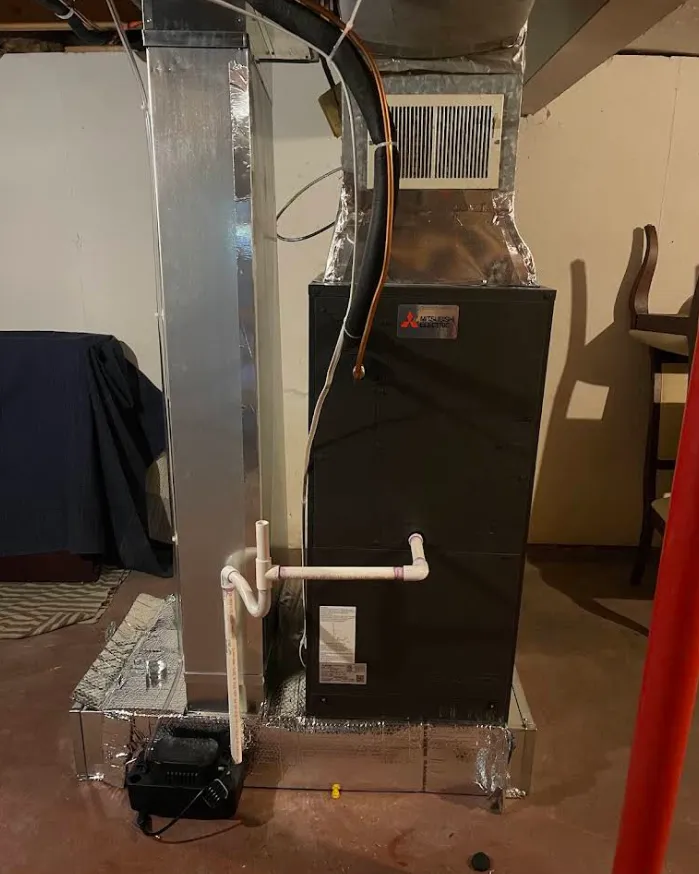
Natural gas and propane deliver the most consistent heating performance for Cape Cod’s coastal winters. Oil furnaces remain a practical choice where gas lines are unavailable, while electric heat pumps offer year-round efficiency that handles both chilly winters and humid summers.
How does Cape Cod’s coastal climate affect furnace fuel choice?
Salt air and temperature swings punish outdoor fuel storage. Propane and natural gas systems avoid this problem entirely. Their sealed fuel delivery eliminates tank corrosion risks that shorten oil system lifespans near the shore. Gas furnaces also recover indoor temperatures faster after sudden cold snaps, a frequent Cape Cod weather pattern.
What are the efficiency differences between fuel types?
A&L Heating, Cooling and Home Improvements installs high-efficiency furnaces, boilers, and heat pumps matched to each home’s fuel availability. The company’s technicians calculate precise load requirements before recommending any system.
Mass Save rebates lower the upfront cost of high-efficiency gas and heat pump installations. These incentives reduce energy bills and extend equipment lifespan. Cape Cod homeowners trust A&L Heating, Cooling and Home Improvements for licensed and insured installation backed by comprehensive warranties. The company’s customer-first approach includes free estimates and 24/7 emergency service across the region.
Selecting the ideal heating system for Cape Cod means weighing fuel availability against long-term operating costs. Gas furnaces win on raw heating power. Heat pumps dominate on efficiency. Oil remains viable where infrastructure dictates. A professional assessment eliminates guesswork and prevents costly sizing mistakes.
How do efficiency ratings affect my heating bills?
Furnace efficiency ratings directly determine how much fuel becomes usable heat. A higher Annual Fuel Utilization Efficiency (AFUE) percentage means lower monthly heating bills. Every dollar spent on fuel converts to warmth instead of escaping through the flue.
Twenty cents of every fuel dollar vanishes as waste. For Cape Cod homeowners facing long heating seasons, the cumulative savings reshape household budgets within a single winter.
What AFUE rating makes sense for Cape Cod homes?
Milder days still require consistent heat output, and high-efficiency equipment modulates output to match real-time demand. The result is steadier comfort without the fuel spikes of older cycling furnaces.
A&L Heating, Cooling and Home Improvements installs high-efficiency furnaces that qualify for Mass Save rebates. These incentives lower upfront equipment costs while the efficiency rating permanently reduces operating expenses. The company’s technicians receive training on the latest HVAC technologies and all major brands, ensuring proper sizing and installation for peak rated performance.
How do efficiency ratings extend equipment life?
Efficient furnaces run shorter cycles and maintain steadier internal temperatures. Less strain on heat exchangers and blower motors translates to fewer repairs over the system’s lifespan. A&L commits to eco-friendly solutions that lower energy bills and extend HVAC equipment longevity.
The company’s reputation rests on quality workmanship and honest pricing. Professional installation of high-efficiency furnaces, boilers, and heat pumps protects the manufacturer’s rated efficiency. Improper installation erases those savings regardless of the AFUE number on the label.
Steps to maximize efficiency savings:
Request a professional load calculation before selecting equipment.
Compare AFUE ratings across furnace types and fuel sources.
Verify Mass Save rebate eligibility for high-efficiency models.
Schedule installation with licensed technicians trained on the chosen brand.
Maintain annual tune-ups to preserve rated efficiency over time.
Should I consider a heat pump instead?
A heat pump delivers both heating and cooling from a single unit, eliminating the need for separate furnace and air conditioning systems. Cape Cod homeowners increasingly choose heat pumps for their energy efficiency and year-round versatility.
The coastal climate demands equipment that handles chilly winters and humid summers without compromise. A heat pump answers that demand directly. Unlike traditional setups requiring two distinct systems, one heat pump manages both seasons. This dual capability reduces equipment complexity and simplifies maintenance schedules.
How do I choose the right furnace for my home in Cape Cod? The decision hinges on whether a homeowner wants heating only or combined climate control. A furnace burns fuel to produce heat. A heat pump transfers ambient heat instead, which lowers energy consumption during moderate coastal winters.
What makes a heat pump different from a furnace and AC combo?
One outdoor unit replaces two separate systems
Heating and cooling operate through the same indoor air handler
No combustion means no exhaust venting requirements
Energy-efficient operation suits Cape Cod’s variable shoulder seasons
A&L Heating, Cooling and Home Improvements specializes in heat pump and ductless mini-split installation. The company’s technicians install and maintain energy-efficient heat pump systems for year-round comfort and lower energy bills. Homeowners weighing furnace replacement against heat pump installation benefit from a professional load calculation before committing. A&L provides energy-efficient heat pump installation guidance tailored to each property’s size and insulation levels.
What steps do I take for a smooth installation?
A smooth furnace installation starts with a professional load calculation. A&L Heating, Cooling and Home Improvements provides free estimates that include this critical sizing step. Skipping the calculation risks an oversized unit that short-cycles or an undersized one that runs constantly. Both mistakes waste fuel and shorten equipment life.
What happens during the pre-installation visit?
The technician inspects the existing ductwork, venting, and fuel lines. Measurements of the home’s square footage and insulation levels determine the correct furnace capacity. A&L’s expert technicians are trained on the latest HVAC technologies and all major brands. The company then recommends a high-efficiency system matched to the coastal climate.
How does the installation day unfold?
Confirm the scope of work. The crew reviews the equipment, location, and timeline with the homeowner before starting.
Remove the old furnace. Technicians disconnect power, fuel, and venting, then extract the unit without damaging surrounding areas.
Prepare the site. Any needed ductwork modifications, pad leveling, or venting upgrades happen at this stage.
Set and connect the new furnace. The team installs the unit, secures all connections, and verifies proper airflow.
Test and calibrate. The system runs through a full heating cycle while technicians check temperature rise, gas pressure, and safety controls.
A&L Heating, Cooling and Home Improvements builds its service on integrity, professionalism, and a commitment to customer comfort. The company remains available 24/7 for emergency service, ensuring reliability long after the installation crew leaves. Homeowners seeking a reliable and high-quality heating installation benefit from a team that prioritizes precise workmanship over rushed timelines.
FAQ
What size furnace does my Cape Cod home need?
A professional load calculation determines the exact capacity based on square footage, insulation levels, and the local coastal climate. Guessing at furnace size risks an oversized unit that short-cycles or an undersized one that runs constantly, so a technician should measure the home before recommending equipment.
Which fuel type works best for a Cape Cod home?
Natural gas and propane deliver the most consistent heating performance for Cape Cod’s coastal winters. Oil furnaces remain a practical choice where gas lines are unavailable, and electric heat pumps offer year-round efficiency that handles both winter heating and summer cooling.
What AFUE rating should I look for in a new furnace?
A higher Annual Fuel Utilization Efficiency (AFUE) percentage means more of every fuel dollar becomes usable heat instead of escaping through the flue. High-efficiency furnaces also qualify for Mass Save rebates, which lower upfront equipment costs while reducing long-term operating expenses.
Is a heat pump a good alternative to a furnace on Cape Cod?
A heat pump delivers both heating and cooling from a single unit, which suits Cape Cod’s chilly winters and humid summers without needing separate furnace and air conditioning systems. It’s a strong option for homeowners who want year-round comfort with simplified equipment and maintenance.
What should I expect on furnace installation day?
The crew confirms the scope of work, removes the old furnace, prepares the site for any ductwork or venting changes, installs and connects the new unit, then tests and calibrates the system to verify temperature rise, gas pressure, and safety controls before leaving.
Conclusion
Choosing the right furnace for a Cape Cod home comes down to matching the equipment to the coastal climate and your property’s specific heating needs. A professional load calculation removes the guesswork, and comparing AFUE ratings against available fuel sources ensures you invest in a system that delivers steady comfort without wasted energy. Whether you select a high-efficiency gas furnace or a heat pump for year-round climate control, proper installation by licensed technicians protects the rated performance and extends the equipment’s lifespan. Schedule a free estimate that includes a load calculation, then verify Mass Save rebate eligibility to reduce upfront costs while locking in long-term savings.
Leave a Reply