Aging furnaces and boilers on Cape Cod typically last 15 to 20 years. Systems approaching that range, frequent breakdowns, rising energy bills, or weak airflow signal replacement is needed. A&L Heating, Cooling and Home Improvements provides free estimates and 24/7 emergency service across Cape Cod for homeowners facing these warning signs.
Is Your Heating System Old Enough to Retire?
Most heating systems have a lifespan of 15 to 20 years. A furnace or boiler approaching that range is not a question of if it will fail, but when. Cape Cod homeowners who ignore system age risk a mid-winter breakdown when temperatures drop and service demand spikes.
Older systems lose efficiency over time. That decline means higher fuel consumption and larger heating bills for the same level of comfort. A system that once warmed a Cape Cod home affordably now burns more oil, propane, or electricity to produce the same heat. The cost difference compounds every season.
How Old Is Too Old for a Cape Cod Heating System?
Cape Cod homeowners facing systems older than 10 to 15 years should consider replacement. Frequent breakdowns and costly repairs push that timeline forward. A 12-year-old boiler with a cracked heat exchanger is a liability, not an asset.
The age threshold varies by equipment type:
Furnaces: 15 to 20 years with regular maintenance
Boilers: 15 to 20 years, though coastal humidity accelerates corrosion
Heat pumps: 10 to 15 years under normal Cape Cod usage
What Happens When a Heating System Ages Past Its Lifespan?
Efficiency drops first. Then components fail. A homeowner who waits for total failure loses the chance to schedule replacement during the off-season. Emergency replacements cost more and limit equipment choices.
A&L Heating, Cooling and Home Improvements helps Cape Cod homeowners assess system age against repair costs. The company’s technicians evaluate whether a repair extends useful life or simply delays an inevitable replacement. Homeowners can review common heating system warning signs before scheduling an inspection.
Are Your Energy Bills Climbing Without Reason?
Rising energy bills without a substantial change in use signal a heating system working harder than it should. Cape Cod homeowners who notice fuel costs creeping up year after year face a system losing efficiency, not a seasonal fluke. That pattern costs real money every month the problem goes unaddressed.
What Are the Signs That Indicate I Need Heating System Replacement? The clearest financial warning is a bill that climbs while usage stays flat. A furnace or boiler that burns more fuel to deliver the same warmth has already begun failing. Ignoring that trend invites a mid-winter breakdown, the most expensive repair of all.
Why Do Heating Bills Rise Without Extra Use?
A heating system loses efficiency as components wear. Burners, heat exchangers, and motors degrade over time. The system compensates by running longer cycles. That extra runtime shows up directly on the monthly bill.
Cape Cod’s damp, cold winters punish inefficient equipment. Salt air accelerates corrosion on outdoor components. Older systems in coastal homes often decline faster than their inland counterparts.
What Other Warning Signs Accompany Higher Bills?
Rising energy costs rarely appear alone. Homeowners should watch for these companion symptoms:
Weak airflow from vents, even at full fan speed
Strange noises such as banging, rattling, or whistling
Frequent cycling where the system turns on and off repeatedly
Uneven heating between rooms or floors
Any one of these issues warrants a professional inspection. Two or more together point toward replacement rather than repair.
A&L Heating, Cooling and Home Improvements provides energy-efficient systems and Mass Save rebates to help lower energy bills. The company’s technicians evaluate whether a struggling system deserves another repair or a full replacement. Homeowners weighing that decision can review the signs indicating a new furnace installation before committing to either path.
Is Your Home Unevenly Heated or Drafty?
Uneven temperatures between rooms signal a heating system that is not working as it should. Weak airflow and persistent drafts point to the same underlying problem. Cape Cod homeowners who ignore these signs risk a complete breakdown during the coldest stretch of winter.
A failing system often shows clear warning signs before a complete breakdown occurs. The challenge is recognizing those signs early enough to act. On Cape Cod, where winters are cold, damp, and unforgiving, uneven heating becomes more than a comfort issue. It becomes a safety concern for every household.
What Causes Uneven Heating in a Cape Cod Home?
Several performance changes indicate trouble. Rooms that never reach the thermostat setting suggest airflow restrictions or duct problems. Drafts near windows and exterior walls often mean the system is struggling to maintain pressure. Strange noises during operation add another layer of evidence that the equipment is failing.
The pattern matters more than any single symptom. A heating system that worked evenly for years but now leaves certain rooms cold is telling homeowners something specific. The equipment is losing its ability to distribute heat properly.
When Should Uneven Heating Trigger a Replacement Decision?
The answer depends on what the warning signs reveal. Uneven temperatures combined with weak airflow point to a system nearing the end of its useful life. Drafty rooms that persist after basic repairs suggest deeper mechanical failure.
Cape Cod property managers face a clear choice. Waiting through another damp winter with an unreliable system invites a mid-season emergency. A&L Heating, Cooling and Home Improvements provides free estimates and 24/7 emergency service across Cape Cod, helping homeowners decide between repair and replacement confidently.
Do You Hear Strange Noises or Smell Odd Odors?
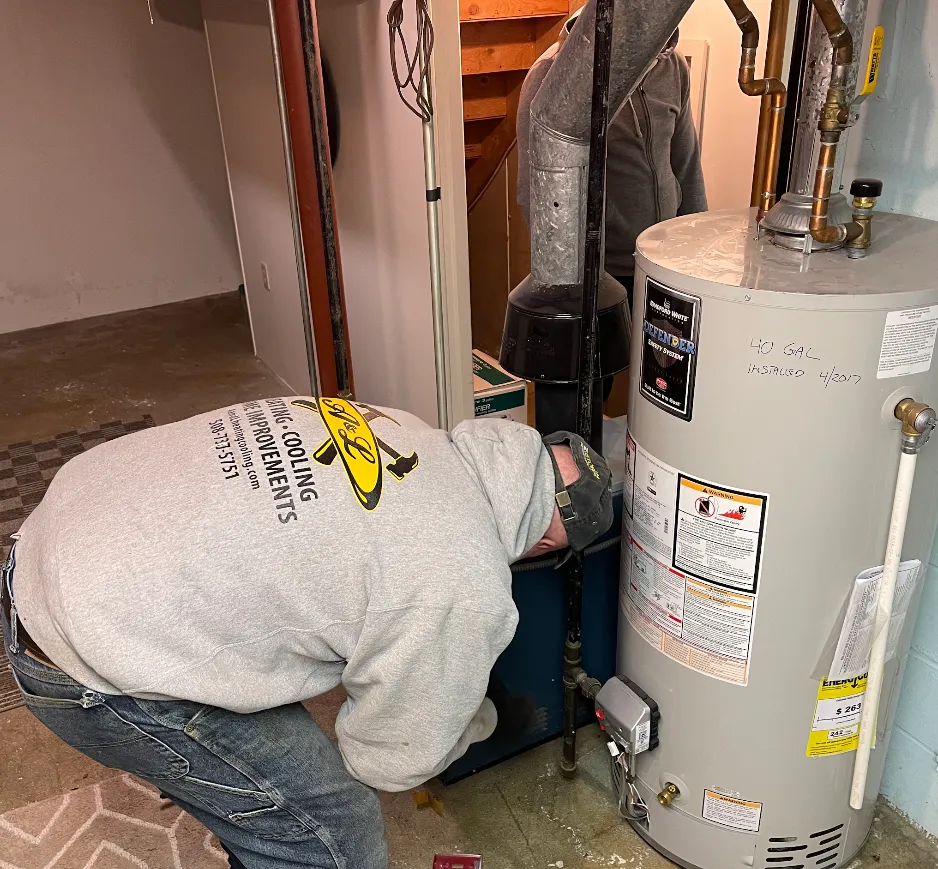
Unusual sounds and persistent odors from a heating system signal trouble. These symptoms rarely resolve on their own and often point to mechanical wear or safety hazards that demand immediate attention.
What Does a Banging or Screeching Sound Mean?
A loose or broken component inside the furnace or boiler typically causes banging, screeching, or rattling. According to Endless Energy, a loose part might cause strange sounds one week and a complete system breakdown the next. Ignoring the noise allows the damage to spread. A blower motor bearing that squeals today can seize entirely tomorrow, leaving a Cape Cod home without heat during a January cold snap.
Why Does My Heater Smell Like Burning or Rotten Eggs?
Dust burning off when the system first fires up produces a brief, harmless odor. A persistent burning smell points to overheating wires or motor windings. A rotten-egg odor indicates a natural gas leak, which requires evacuating the home and calling for emergency service immediately. A&L Heating, Cooling and Home Improvements provides 24/7 emergency response for Cape Cod homeowners facing urgent issues like gas odors or sudden breakdowns.
Homeowners who stay alert to changes in how the system runs catch problems early. Early detection saves money and keeps families comfortable through the long heating season. A full HVAC system repair evaluation identifies whether the noise or smell stems from a simple fix or a failing unit that warrants replacement.
Key warning signs that demand a professional inspection:
Banging, clanking, or screeching during startup or operation
A burning smell that lasts more than a few minutes
A sulfur or rotten-egg odor near the equipment
Rattling that grows louder over time
Can Strange Noises Mean a Total System Failure?
Yes. A small mechanical issue left unchecked escalates rapidly. A loose fan blade stresses the motor shaft. A cracked heat exchanger leaks carbon monoxide. What begins as an odd sound ends as a cold house and an expensive emergency replacement. Cape Cod’s damp, windy winters punish weakened equipment without mercy. Calling a licensed technician at the first sign of trouble prevents a minor repair from becoming a mid-season crisis.
How Often Is Your System Breaking Down?
Frequent breakdowns signal that heating system replacement makes more financial sense than repeated repairs. Cape Cod homeowners facing systems older than 10 to 15 years, frequent breakdowns, or costly repairs should consider replacement rather than pouring money into a failing unit.
Each service call chips away at savings that could fund a new high-efficiency system. A furnace that fails twice in one winter rarely recovers. The pattern worsens as components wear unevenly.
What Counts as “Frequent” Breakdowns?
Two or more repair visits in a single heating season is a red flag. A system that needs attention every few months has entered its decline phase. Cape Cod’s damp, salty air accelerates corrosion in aging components.
Is Repairing an Old System Worth the Cost?
Rarely. When repair bills approach half the cost of a new unit, replacement wins. A&L Heating, Cooling and Home Improvements offers free estimates across Cape Cod, helping homeowners decide between repair and replacement confidently.
The company also provides 24/7 emergency service for mid-winter failures. Professional installation of high-efficiency furnaces, boilers, and heat pumps comes with Mass Save rebates, reducing upfront replacement costs.
FAQ
How old does my heating system need to be before I should replace it?
Most heating systems last 15 to 20 years. Systems older than 10 to 15 years, or those with frequent breakdowns, signal replacement is needed.
Why are my energy bills climbing without extra use?
A heating system loses efficiency as components wear, forcing longer run cycles. This extra runtime shows up directly on the monthly bill.
What are the clearest warning signs that my heating system needs replacement?
Frequent breakdowns, rising energy bills, weak airflow, and a system age of 15 to 20 years indicate replacement is needed.
Conclusion
Cape Cod homeowners who recognize these warning signs (uneven heat, strange noises, rising bills, or frequent breakdowns) face a clear decision. Waiting through another winter with a failing system risks a mid-season emergency and higher costs. A professional evaluation determines whether repair or replacement makes sense, giving homeowners confidence before the next cold snap arrives.
Leave a Reply